
Maritime English for Navy Officers: A Comprehensive Guide
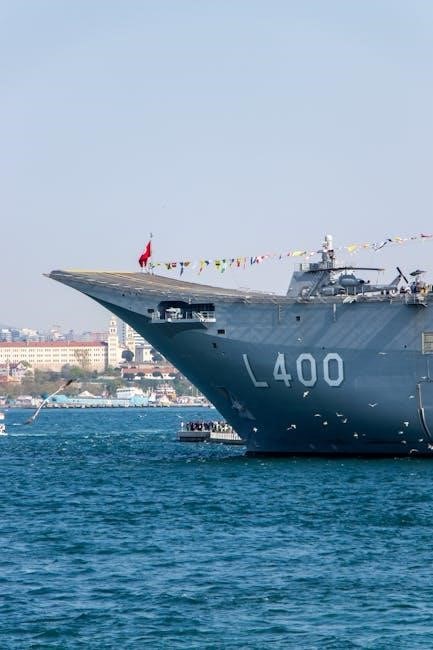
Naval proficiency hinges on clear communication; resources like the Merchant Marine Officers Handbook and guides available as PDF downloads are crucial for mastering maritime English.
Maritime English is a specialized language crucial for safe and efficient naval operations, demanding precision beyond everyday communication. PDF resources, like comprehensive officer’s guides and the Merchant Marine Officers Handbook, offer structured learning; These materials cover essential terminology, standard phrases, and protocols vital for international seafaring.
Understanding this language isn’t merely about vocabulary; it’s about comprehending the nuances of naval procedures, legal requirements (like SOLAS and STCW), and the implications of miscommunication. Effective Maritime English skills are paramount for navigating complex scenarios, ensuring compliance, and fostering collaboration amongst diverse crews. Resources available in PDF format provide accessible and portable learning tools for Navy Officers.
The Importance of Standard Maritime Communication
Standard maritime communication minimizes ambiguity and prevents potentially catastrophic errors at sea. Utilizing a common language, particularly Maritime English, is mandated by international regulations like SOLAS and STCW, ensuring global interoperability. PDF guides, including the Merchant Marine Officers Handbook, emphasize the importance of IMO Standard Marine Communication Phrases (SMCP) for clear messaging.
For Navy Officers, proficiency extends beyond routine operations to encompass emergency procedures, distress signals, and legal reporting. Access to resources in PDF format allows for continuous learning and reinforces the necessity of precise language. Consistent application of standardized terminology reduces misunderstandings, enhancing safety and operational effectiveness in all naval contexts.
Key Terminology in Naval Operations
Naval operations demand a precise understanding of specialized terminology encompassing navigation, engineering, and deck procedures. Resources like the Merchant Marine Officers Handbook, often available as a PDF, detail crucial vocabulary related to celestial navigation, rules of the road, and safety protocols. Mastering these terms is vital for effective command and control.
Maritime English for Navy Officers extends to damage control, cargo handling, and reporting formats. PDF study guides aid in familiarizing officers with specific phrases used in various scenarios. Proficiency in this terminology ensures seamless communication during exercises, deployments, and potential crisis situations, bolstering operational readiness and minimizing risk.
Understanding IMO Standard Marine Communication Phrases (SMCP)
The International Maritime Organization’s (IMO) Standard Marine Communication Phrases (SMCP) are essential for globally standardized naval communication. Navy officers must thoroughly understand and utilize these phrases to avoid ambiguity and ensure clarity during interactions with merchant vessels and other navies. Resources, including comprehensive guides often found as a PDF, detail the correct application of SMCP.
Effective maritime English relies on precise phrasing, particularly in critical situations. The Merchant Marine Officers Handbook reinforces SMCP usage, covering scenarios from routine reporting to emergency procedures. Mastering SMCP, accessible through various PDF resources, is paramount for safe navigation and efficient naval operations, promoting interoperability and preventing misunderstandings.
Naval Communication Protocols
Strict protocols govern naval exchanges; mastering maritime English, often detailed in PDF guides, ensures clarity and adherence to established communication standards.
Radio Communication Procedures
Effective radio communication is paramount in naval operations, demanding precise language and adherence to standardized procedures. Navy officers require comprehensive training in utilizing radio equipment and employing correct phrasing. Resources, often available as a PDF download, detail proper protocols for initiating, conducting, and terminating radio calls.
These guides emphasize clarity, brevity, and accuracy, particularly when relaying critical information like position reports or emergency situations. Understanding the nuances of maritime English, as outlined in professional resources, is vital for avoiding misunderstandings that could compromise safety or mission success. Proficiency extends to recognizing and responding appropriately to various signal types and distress calls, ensuring seamless coordination at sea.
VHF Radio Usage in Naval Contexts
VHF radio serves as a cornerstone of short-range communication for naval vessels, necessitating a firm grasp of maritime English. Navy officers must be adept at utilizing VHF for routine operational exchanges, navigational warnings, and urgent safety broadcasts. Comprehensive guides, frequently found as a PDF resource, detail channel assignments, call procedures, and appropriate terminology.
Effective VHF usage demands concise and unambiguous messaging, adhering to the International Maritime Organization (IMO) Standard Marine Communication Phrases (SMCP). Proficiency includes understanding digital selective calling (DSC) and utilizing VHF for search and rescue operations. Mastering these skills, often reinforced through dedicated training materials, is crucial for maintaining situational awareness and ensuring safe navigation.
Digital Communication Systems in the Navy
Modern naval operations rely heavily on secure digital communication systems, demanding fluency in both technical terminology and precise English. Navy officers utilize these systems for transmitting classified information, coordinating fleet movements, and managing logistical support. Accessing resources, often available as a PDF guide, is vital for understanding system protocols and operational procedures.
Proficiency extends beyond basic operation to encompass secure messaging formats, data encryption, and network security protocols. Effective communication requires clear articulation of complex information, minimizing ambiguity and ensuring accurate interpretation. Training materials and comprehensive handbooks, like the Merchant Marine Officers Handbook, emphasize the importance of standardized language within these digital environments.
Reporting Procedures and Formats
Standardized reporting is paramount in naval operations, requiring officers to adhere to strict procedures and formats. Accurate and concise reports, often documented using specific templates – sometimes accessible as a PDF – are essential for situational awareness and informed decision-making. These reports cover a wide range of events, from routine operational updates to critical incident investigations.
Effective reporting demands a strong command of maritime English, ensuring clarity and avoiding misinterpretations. Resources like the Naval Officer’s Guide to Professional Communication detail proper formatting, terminology, and the level of detail required for different report types. Mastering these skills minimizes ambiguity and facilitates seamless information flow throughout the naval hierarchy.
Essential Maritime English Phrases
Critical phrases for naval officers, often compiled in PDF guides, cover navigation, weather, ship handling, and emergencies – ensuring safe, effective operations at sea.
Navigation and Position Reporting
Precise navigation and position reporting are paramount in naval operations, demanding a robust command of maritime English. PDF resources designed for navy officers emphasize standardized phrasing for latitude, longitude, bearing, speed, and course.
Effective communication includes relaying position fixes obtained through celestial navigation – a skill detailed in resources like the Merchant Marine Officers Handbook – or modern electronic systems. Phrases for requesting position confirmations, reporting deviations from planned routes, and clarifying navigational hazards are essential.
Officers must accurately describe their vessel’s movement and anticipate potential collisions, utilizing standardized terminology to avoid ambiguity. Mastering these phrases, often found in comprehensive PDF guides, ensures clarity and safety on the high seas, minimizing misunderstandings during critical maneuvers.
Weather Reporting and Forecasting
Accurate weather reporting and understanding forecasts are vital for naval safety and operational effectiveness. Maritime English PDF guides for navy officers prioritize standardized terminology for describing sea states, visibility, wind force (using the Beaufort scale), and atmospheric pressure.
Officers must be proficient in both receiving and transmitting weather information, including reporting observed conditions and requesting specific forecasts. Resources emphasize clear communication of warnings regarding storms, fog, ice, and other hazardous weather phenomena.
Understanding meteorological terms and interpreting weather charts are crucial skills, often detailed in comprehensive PDF materials. Precise language minimizes misinterpretation, enabling informed decision-making and proactive adjustments to navigation and ship handling procedures.
Ship Handling and Maneuvering Commands
Precise ship handling relies on universally understood commands. Maritime English PDF resources for navy officers focus on standardized phrases for steering, speed control, and maneuvering in various conditions. These guides emphasize clarity and conciseness to avoid ambiguity during critical operations.
Officers must be fluent in issuing and acknowledging commands related to rudder angle, engine orders (using the standard engine telegraph system), and anchoring procedures. PDF materials often include drills and simulations to practice these commands in realistic scenarios.
Effective communication during close-quarters maneuvering, formation sailing, and replenishment at sea is paramount, demanding a strong grasp of maritime English terminology and protocol.
Emergency Procedures and Distress Signals
Rapid and accurate communication is vital during maritime emergencies. Maritime English PDF guides for naval officers prioritize standardized distress signals and emergency procedures, aligning with SOLAS and international regulations. These resources detail the correct phrasing for Mayday, Pan Pan, and Securité calls, ensuring clarity in critical situations.
Officers must be proficient in reporting the nature of the emergency, ship’s position, and required assistance. PDF materials often include checklists and scenario-based exercises to reinforce proper communication protocols.
Understanding terminology related to damage control, fire fighting, and medical emergencies is crucial for effective coordination and response.
Technical Maritime English
Specialized vocabulary is key; PDF resources for naval officers cover engineering, deck operations, and damage control, ensuring precise technical communication.
Naval Engineering Terminology
Mastering naval engineering language is paramount for effective operations and maintenance. Resources, often available as PDF guides for navy officers, detail crucial terms related to propulsion systems, auxiliary machinery, and electrical systems. Understanding concepts like “shaft horsepower,” “boiler pressure,” and “fuel oil viscosity” is essential.
These PDF materials frequently include detailed explanations of engine room procedures, troubleshooting techniques, and safety protocols. Precise communication regarding equipment malfunctions – such as “turbocharger failure” or “generator overload” – prevents misunderstandings and ensures swift, effective repairs. Furthermore, familiarity with terms related to damage control, like “flooding compartments” and “hull integrity,” is vital for responding to emergencies.
Consistent use of standardized terminology, often found within these PDF resources, minimizes ambiguity and promotes safety at sea.
Deck Operations Vocabulary
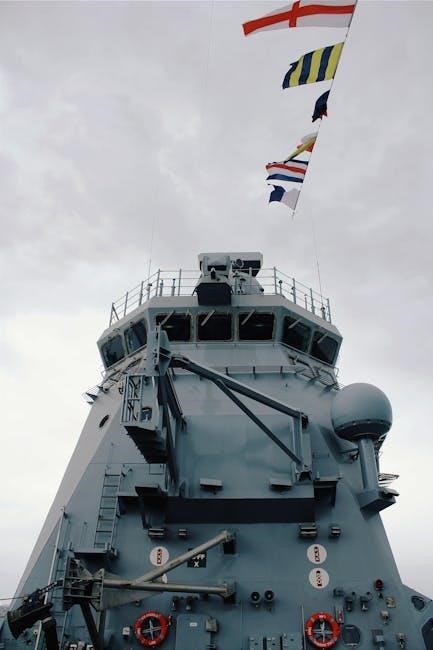
Proficiency in deck operations relies heavily on a shared maritime lexicon. Navy officers benefit from PDF resources detailing essential vocabulary for mooring, anchoring, cargo handling (even on naval vessels), and navigation. Terms like “fendering,” “hawser,” “bitt,” and “lead line” are fundamental.
These PDF guides often emphasize clear communication during critical maneuvers, such as “heave short,” “pay out scope,” and “stand by for alongside.” Understanding commands related to ship stability – like “list” and “trim” – is crucial for safe operations.
Furthermore, familiarity with terms describing weather conditions and sea states, often included in these PDF materials, enables accurate reporting and informed decision-making; Standardized terminology, readily available in these resources, ensures clarity and prevents potentially dangerous misinterpretations.
Cargo Handling and Stowage Terms
While primarily associated with merchant shipping, naval vessels often handle supplies and equipment requiring cargo-specific terminology. PDF resources for maritime English provide essential vocabulary for understanding stowage plans, lashing procedures, and cargo securing methods. Terms like “break bulk,” “dunnage,” “bill of lading,” and “IMDG code” become relevant when receiving provisions or humanitarian aid.
Navy officers utilizing these PDF guides learn to interpret documentation related to cargo weight, dimensions, and hazardous materials. Understanding terms like “center of gravity” and “stability criteria” is vital for safe cargo operations.
Effective communication regarding cargo handling – using terms like “overboard discharge” or “shore leave” – ensures efficient logistics and prevents damage or accidents, as detailed in comprehensive PDF materials.
Damage Control and Repair Terminology
Naval operations inherently involve risk; therefore, precise communication during damage control is paramount. Maritime English PDF resources equip officers with specialized vocabulary for assessing and reporting hull breaches, flooding, and equipment failures. Terms like “watertight integrity,” “deballasting,” “patching,” and “collision bulkhead” are crucial for effective response.
These PDF guides detail terminology related to firefighting – “flashover,” “smothering,” and “ventilation” – and emergency repair procedures. Understanding terms like “temporary shoring” and “damage stability assessment” is vital for minimizing vessel vulnerability.
Clear communication using standardized terms – such as “report damage extent” or “initiate pumping” – ensures coordinated efforts and maximizes repair efficiency, as outlined in comprehensive PDF training materials.
Resources for Navy Officers
Essential PDF guides, like the Merchant Marine Officers Handbook, alongside online courses and dictionaries, bolster maritime English skills for effective naval communication.
Naval Officer’s Guide to Professional Communication
A dedicated guide focusing on maritime English is paramount for Navy Officers, often available as a convenient PDF resource; These guides, such as the Naval Officers Guide to Professional Communication found on Amazon, emphasize clarity and precision in all interactions.
Effective communication minimizes misunderstandings during critical operations. Mastering Standard Marine Communication Phrases (SMCP) and understanding the nuances of naval terminology are key components. Resources like the Merchant Marine Officers Handbook, while geared towards merchant mariners, provide a strong foundation in essential maritime vocabulary and procedures.
PDF versions allow for easy access and offline study, crucial for officers deployed at sea. These resources cover report writing, briefing techniques, and navigating complex legal and regulatory frameworks, ensuring professional and compliant communication.
Merchant Marine Officers Handbook as a Supplementary Resource
While tailored for merchant mariners, the Merchant Marine Officers Handbook serves as an invaluable supplementary resource for Navy Officers refining their maritime English skills. Available for purchase and potentially as a PDF, it comprehensively covers foundational topics like celestial navigation, rules of the road, and engineering principles.
This 573-page handbook, with its durable hardback binding, offers detailed insights into safety protocols and practical applications of maritime terminology; It’s particularly beneficial for understanding the broader maritime environment and enhancing communication with civilian vessels.
Utilizing this resource alongside dedicated naval communication guides, including those in PDF format, strengthens overall maritime proficiency and prepares officers for diverse operational scenarios, fostering seamless collaboration across all maritime sectors.
Online Maritime English Courses and Platforms
Numerous online platforms offer specialized Maritime English courses, often available with downloadable resources, including PDF study guides, catering specifically to the needs of Navy Officers. These courses focus on enhancing communication skills for naval operations, covering topics from VHF radio usage to interpreting complex technical documentation.
Interactive modules, virtual simulations, and access to expert instructors provide a dynamic learning experience. Many platforms offer certificates upon completion, validating proficiency.
Supplementing traditional training with these online resources, and utilizing downloadable PDF materials, ensures Navy personnel remain current with industry best practices and maintain a high level of linguistic competence in diverse maritime environments.
Maritime Dictionaries and Glossaries
Comprehensive maritime dictionaries and specialized glossaries are indispensable tools for Navy Officers, particularly when studying resources in PDF format. These resources clarify complex terminology related to naval engineering, deck operations, and legal aspects of maritime law.
Digital dictionaries offer quick access to definitions, while specialized glossaries focus on specific areas like cargo handling or damage control.
Utilizing both traditional and digital resources, alongside downloadable PDF guides, ensures accurate interpretation of technical manuals, communication protocols, and legal documents. Maintaining a readily available reference library is crucial for effective communication and operational efficiency within the Navy.
Legal and Regulatory Aspects
SOLAS and STCW necessitate English proficiency; PDF guides detailing conventions and codes are vital for Navy Officers’ legal compliance and safe operations.
SOLAS Convention and English Language Requirements
The International Convention for the Safety of Life at Sea (SOLAS) explicitly addresses the critical need for effective communication onboard vessels. Amendments to SOLAS Chapter V, Regulation 3.5, mandate that all personnel involved in safety-critical operations demonstrate sufficient proficiency in English, the internationally recognized language of maritime communication.
This requirement extends to Navy Officers, particularly when interacting with international vessels or participating in joint operations. PDF resources detailing SOLAS regulations and associated English language proficiency standards are invaluable for ensuring compliance. These documents outline the specific levels of competency expected in listening, speaking, reading, and writing, crucial for preventing misunderstandings and ensuring safe navigation. Furthermore, understanding these regulations is paramount during Port State Control inspections, where adherence to SOLAS is rigorously assessed.
STCW Code and Maritime English Proficiency
The Standards of Training, Certification and Watchkeeping (STCW) Code establishes internationally agreed-upon standards for the training and qualification of seafarers. Crucially, the STCW Code, specifically Table A-II/1, details the required level of English language proficiency for various roles onboard. Navy Officers, while possessing specialized training, must also meet these standards for effective communication.
PDF guides outlining the STCW Code’s English language requirements are essential study materials. These resources clarify the expected competencies in areas like understanding navigational instructions, safety procedures, and emergency responses. Demonstrating proficiency, often through recognized assessments, is vital for certification and career advancement. Resources like the Merchant Marine Officers Handbook can supplement training, ensuring Navy personnel meet the STCW’s stringent language demands for global maritime operations.
Maritime Law Terminology
Naval operations frequently intersect with international maritime law, demanding precise understanding of legal terminology. Terms like “collision,” “salvage,” “charterparty,” and “demurrage” are critical for incident reporting, legal proceedings, and interacting with port authorities. PDF resources dedicated to maritime law, alongside specialized naval guides, are invaluable for Navy Officers.
Effective communication relies on accurate legal phrasing. Resources such as comprehensive handbooks, like the Merchant Marine Officers Handbook, provide glossaries and explanations of these terms. Mastering this vocabulary minimizes misunderstandings and ensures compliance with international regulations. Proficiency in maritime law terminology, accessible through PDF study materials, is essential for responsible and legally sound naval conduct.
Port State Control and Communication
Effective communication during Port State Control (PSC) inspections is paramount for Navy Officers. PSC officers assess compliance with international regulations, requiring clear and concise responses in English. Understanding standard questions regarding safety, security, and operational procedures is vital. PDF guides focusing on PSC protocols and frequently asked questions are essential preparation.
Resources like the Merchant Marine Officers Handbook offer insights into expected communication standards. Precise terminology and adherence to IMO Standard Marine Communication Phrases (SMCP) are crucial. PDF study materials should emphasize reporting procedures and the ability to articulate technical details accurately. Successful PSC interactions depend on fluent English and a thorough understanding of regulatory requirements.
Advanced Maritime English Skills
Refine expertise with specialized PDF resources; mastering report writing, briefings, and negotiation is vital for Navy Officers’ professional advancement and success.
Writing Effective Reports and Correspondence
Precise documentation is paramount in naval operations. Mastering concise, unambiguous writing, often found within PDF guides for maritime professionals, is essential for clear communication. Reports must adhere to established formats, detailing incidents, assessments, and operational updates with accuracy.
Correspondence, including emails and official letters, requires a formal tone and adherence to naval protocol. Utilizing standardized terminology, as detailed in resources like the Naval Officer’s Guide, minimizes misinterpretation. Effective writing avoids jargon where possible, ensuring clarity for all recipients. PDF resources often provide templates and examples for various report types, aiding officers in crafting professional and legally sound documentation.
Furthermore, understanding the nuances of maritime law terminology, often covered in supplementary materials, is crucial for accurate report writing and correspondence.
Conducting Meetings and Briefings
Effective naval leadership demands skillful communication during meetings and briefings. Utilizing clear, concise Maritime English, often detailed in PDF guides for officers, is vital for conveying complex information efficiently. Briefings should follow a structured format – introduction, body, and conclusion – ensuring key points are easily understood.
Meetings require active listening and the ability to articulate ideas precisely, minimizing ambiguity; Familiarity with standard naval terminology, as found in resources like the Merchant Marine Officers Handbook, is crucial. PDF materials frequently offer guidance on presentation techniques and question-and-answer protocols.
Furthermore, adapting communication style to the audience – superiors, peers, or subordinates – is essential for maximizing impact and fostering collaboration.
Negotiation and Conflict Resolution
Naval operations frequently necessitate negotiation and conflict resolution, demanding a nuanced understanding of Maritime English. PDF resources designed for Navy Officers often emphasize diplomatic language and active listening skills. Successful negotiation requires clearly stating objectives, understanding opposing viewpoints, and finding mutually acceptable solutions.
Conflict resolution, particularly in high-stress maritime environments, relies on de-escalation techniques and precise communication. Utilizing standardized phrases, detailed in resources like the Merchant Marine Officers Handbook, minimizes misunderstandings. PDF guides frequently cover mediation strategies and cultural sensitivity.
Maintaining professionalism and avoiding accusatory language are paramount for achieving positive outcomes.