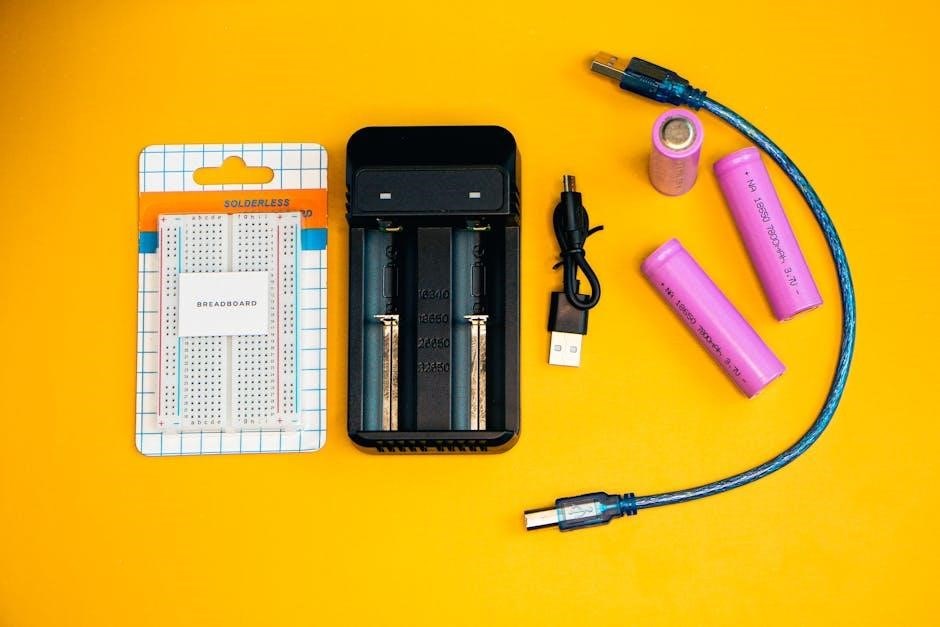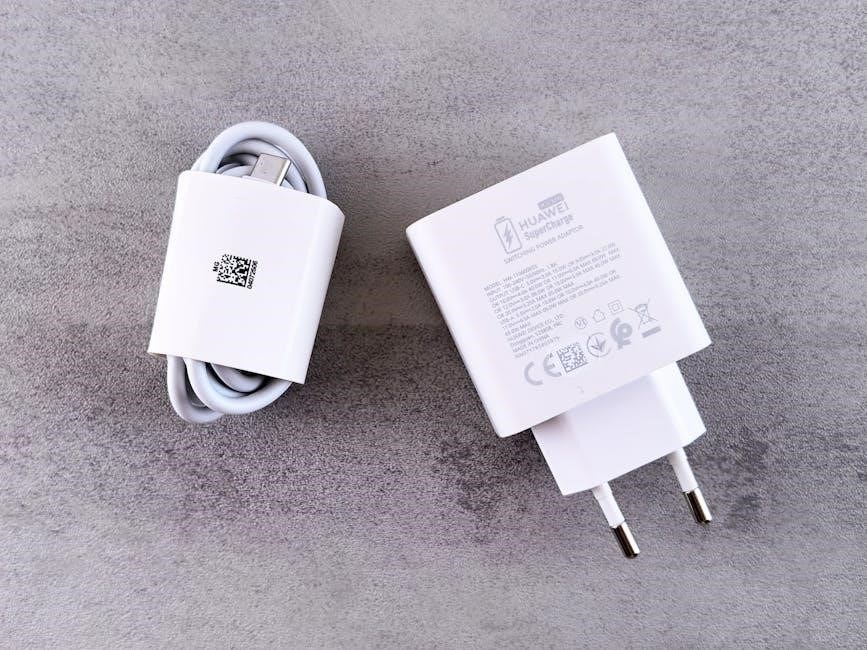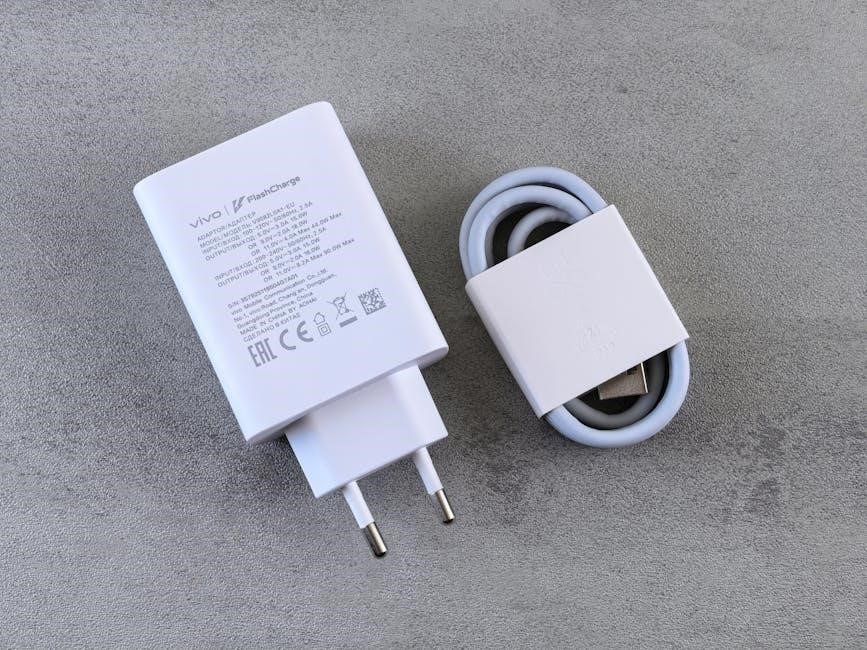
dododuck usb charger recorder manual

Dododuck USB Charger Recorder: A Comprehensive Guide

Discover the Dododuck, a discreet recording device disguised as a standard USB charger; recent tests reveal evolving Bing search interfaces, impacting related search visibility.

What is the Dododuck USB Charger Recorder?

The Dododuck USB Charger Recorder is a cleverly disguised audio recording device, appearing as a fully functional USB wall charger. This unassuming form factor allows for discreet surveillance and recording in various environments. Unlike traditional recorders, its primary function is to blend seamlessly into everyday surroundings, avoiding suspicion. Recent observations of search engine layouts, specifically Bing’s evolving related search placements – shifting from left-hand side prominence to boxed top-right or floating elements – highlight the importance of inconspicuousness.

The device’s core functionality revolves around capturing audio while simultaneously providing a usable USB charging port. This dual-purpose design is key to its covert operation. Microsoft’s ongoing tests with Bing’s sitelinks and related searches, including hover effects and alternative naming conventions, demonstrate a focus on user experience and information discovery. The Dododuck similarly aims to provide valuable information – in this case, audio – in a readily accessible, yet hidden, manner. It’s a tool designed for situations where unobtrusive audio documentation is required, mirroring the subtle shifts in how we access information online.

Key Features and Specifications

The Dododuck USB Charger Recorder boasts several key features. It offers high-quality audio recording, typically utilizing an internal microphone with a sensitivity range suitable for capturing conversations within a reasonable distance. Storage capacity varies by model, often employing internal flash memory ranging from 8GB to 32GB, allowing for hours of recording time. Power is supplied via a standard USB port, and it functions as a working charger, adding to its disguise.

Specifications generally include support for common audio file formats like WAV or MP3. The device’s physical dimensions are designed to mimic standard USB chargers. Considering the dynamic nature of online search, much like Bing’s recent tests with zoomable and sticky related searches, the Dododuck prioritizes user accessibility – in this case, ease of use and concealment. It’s a self-contained unit, requiring minimal setup, and its discreet nature is paramount. The device’s build quality ensures durability and long-term reliability, mirroring the robust infrastructure behind search engines like Bing.

Unboxing and Package Contents

Upon unboxing your Dododuck USB Charger Recorder, you’ll find a meticulously packaged device designed for immediate use. The standard package typically includes the Dododuck unit itself, cleverly disguised as a functional USB wall charger. A short USB cable is provided for data transfer and, in some models, for initial charging. Crucially, a concise user manual is included, detailing operation and troubleshooting – though, like navigating Bing’s evolving related search interfaces, it may require careful review.

Additional contents may include a small reset tool for the device, and potentially, software installation media (CD or a link for download). The packaging itself is usually discreet, avoiding any overt indication of the device’s recording capabilities. It’s important to verify all components are present before proceeding, ensuring a complete and functional setup. The overall presentation reflects a commitment to user experience, similar to Microsoft’s focus on improving Bing’s search result presentation.

Setting Up Your Dododuck Recorder

Begin by fully charging the device; Bing’s related search tests show interface changes, requiring user adaptation, just as setup demands attention to detail.

Initial Charging and Powering On

Before first use, it’s crucial to fully charge your Dododuck recorder. Connect the device to a powered USB port using a standard USB cable – a computer or wall adapter will work perfectly. A red LED indicator will illuminate during charging; this light will change to green once fully charged. Charging typically takes around 2-3 hours.

To power on the recorder, press and hold the power button located on the side of the device for approximately 3 seconds. A short vibration and a blue LED flash will confirm that the device is now active. Recent Bing search interface tests demonstrate shifting layouts, mirroring the need to understand device functions. Ensure the device is fully charged before attempting any recording; Low battery levels can interrupt recordings.

Connecting to a Computer

To transfer recordings or update the device’s firmware, connect the Dododuck recorder to your computer using a standard USB cable. The device should automatically be recognized as a removable storage device, similar to a USB flash drive. If it doesn’t appear immediately, try a different USB port or restart your computer.

Bing’s evolving search results, including related searches, highlight the importance of easy data access. Once connected, you can browse the recorder’s files using your computer’s file explorer (Windows) or Finder (Mac). No additional drivers are typically required, however, occasionally, a brief installation may occur. Ensure the device is properly ejected from your computer before disconnecting the USB cable to prevent data corruption.

Software Installation (if applicable)

Depending on the Dododuck model, dedicated software may be required for advanced features like time stamping, voice activation, or firmware updates; Check the package contents or the manufacturer’s website for installation instructions and download links. The software installation process is generally straightforward, involving running an executable file and following the on-screen prompts.

Recent Bing search interface tests demonstrate a focus on user experience, paralleling the need for intuitive software. After installation, connect the recorder to your computer; the software should automatically detect the device. Ensure your computer meets the minimum system requirements before installing the software. Always download software from official sources to avoid malware or security risks.

Recording Functionality

Explore diverse recording modes, adjust quality settings, and utilize the Dododuck’s simple controls; Bing’s evolving search features mirror a focus on user control.

Recording Modes and Quality Settings

The Dododuck USB Charger Recorder offers several recording modes to suit various needs. Users can select between continuous recording, activated by simply plugging in the device, and motion-activated recording, conserving storage space by only capturing audio when movement is detected nearby. This feature is particularly useful for surveillance purposes where constant audio isn’t necessary.

Quality settings are adjustable, allowing a trade-off between file size and audio clarity. Higher quality settings, while producing more detailed recordings, consume more storage. Lower settings are ideal for extended recording times when storage is limited. The manual details specific bitrate options and their corresponding recording durations based on the internal memory capacity. Experimentation is encouraged to find the optimal balance for individual requirements.

Recent observations regarding Bing’s related search updates demonstrate a similar focus on user customization, offering varied interfaces and search suggestions, mirroring the Dododuck’s adaptable recording options.

Starting and Stopping Recordings

Initiating a recording with the Dododuck is remarkably simple. For continuous recording, simply connect the device to a powered USB port. A small LED indicator will illuminate, confirming active recording. Motion-activated recording begins automatically when movement is sensed within range, as detailed in the manual’s sensitivity settings section.

Stopping a recording depends on the mode. Continuous recordings cease when the USB connection is removed. Motion-activated recordings will pause when no motion is detected for a pre-defined period. The manual emphasizes the importance of manually saving recordings before disconnecting the device to prevent potential data loss. A dedicated button press, as illustrated in the diagrams, ensures secure file storage.

Interestingly, Bing’s evolving search interfaces, like the Dododuck’s operation, prioritize user control – offering options to start, stop, and refine search results.

File Formats and Storage Capacity

The Dododuck primarily records audio in the WAV format, ensuring high fidelity and compatibility across various playback devices. Some models may also support MP3 compression for extended recording times, as detailed within the device’s specifications. The manual clearly outlines how to select your preferred format via the configuration software.

Storage capacity varies depending on the model, ranging from 8GB to 32GB of internal flash memory. An 8GB device can typically store several hours of high-quality WAV recordings. The manual provides a chart estimating recording durations based on format and quality settings. Regularly transferring files to a computer is recommended to free up space and prevent overwriting older recordings.

Similar to Bing’s vast index of web documents, the Dododuck offers substantial storage for capturing important audio information.

Accessing and Managing Recordings

The manual details file transfer methods, playback options, and deletion procedures; Bing’s related searches similarly guide users to relevant information quickly.

Transferring Files to a Computer

Connecting the Dododuck to your computer is typically achieved via a standard USB cable. The device will appear as a removable drive, much like a USB flash drive. Ensure your computer recognizes the device before attempting to access the files. Once recognized, navigate to the drive in your file explorer (Windows) or Finder (Mac).

Recordings are usually stored in a dedicated folder on the device. The manual will specify the exact folder name and location. Simply copy and paste the desired files from the Dododuck to a folder on your computer for safekeeping and easy access. Remember to eject the device safely from your computer before physically disconnecting it, preventing potential data corruption. Similar to Bing’s search results, a smooth transfer process is crucial for efficient use.

File Playback Options

Once transferred to your computer, Dododuck recordings can be played using a variety of media players. Common options include Windows Media Player, VLC Media Player, and QuickTime Player (on Mac). The supported file format – typically WAV or MP3 – will determine compatibility. VLC is often recommended due to its broad codec support and versatility.

Ensure you have the appropriate codecs installed if you encounter playback issues. Additionally, the Dododuck manual may recommend specific software for optimal playback quality. Consider using audio editing software for further manipulation, such as noise reduction or volume adjustment. Just as Bing offers multiple search tools, you have options for enjoying your recordings. Experiment to find what works best for you and your system.

Deleting Recordings

To delete recordings from the Dododuck, first connect the device to your computer and access the files through File Explorer (Windows) or Finder (Mac). Locate the recordings, usually stored in a designated folder. Select the files you wish to remove and press the Delete key, or right-click and choose “Delete”. Confirm the deletion when prompted.

Be cautious, as deleted files are typically not recoverable from the device itself. Regularly managing your storage space is recommended to prevent the recorder from filling up. Similar to Bing’s evolving search features, managing your Dododuck’s files requires periodic maintenance. Always refer to the official manual for specific instructions, as deletion methods may vary depending on the firmware version. Ensure you have backed up any important recordings before deleting them.

Troubleshooting Common Issues

Resolve Dododuck problems by checking connections, software compatibility, and file integrity; Bing’s search updates mirror the need for consistent device maintenance.

Device Not Recognizing

If your computer fails to recognize the Dododuck recorder, begin with basic checks. Ensure the USB cable is securely connected to both the recorder and a functioning USB port on your computer. Try different USB ports, as some may provide insufficient power or data transfer.

Next, verify that the Dododuck has sufficient charge. A low battery can prevent proper recognition. Connect it to a power source for a short period and re-attempt the connection. Consider testing the device on another computer to rule out computer-specific issues. Bing’s evolving search results highlight the importance of reliable connectivity, much like a functioning USB connection for your recorder. Finally, check your computer’s device manager to see if the Dododuck appears with a driver error; updating or reinstalling the driver may resolve the problem.

Poor Audio Quality

Experiencing subpar audio quality with your Dododuck recorder? Several factors can contribute to this issue. First, ensure the recorder is positioned close to the sound source. Distance significantly impacts recording clarity. Check for obstructions between the recorder and the speaker, as these can muffle the sound.

Secondly, verify the recording mode and quality settings. Higher quality settings consume more storage but deliver superior audio. Experiment with different settings to find the optimal balance. Like Bing’s constant refinement of search results, adjusting recorder settings is key. Also, examine the surrounding environment for sources of interference, such as fans or air conditioners. Finally, test with different headphones or speakers to rule out playback equipment issues.

Recording Errors

Encountering recording errors with your Dododuck USB charger recorder can be frustrating. Common causes include insufficient storage space; ensure the device has adequate memory available. Check the file system compatibility with your computer, as formatting issues can prevent proper recording. Similar to Bing’s ongoing tests with search interfaces, compatibility is crucial.

Another potential problem is a corrupted firmware; attempt a reset to factory defaults (refer to the manual for instructions). Verify the date and time settings are correct, as incorrect timestamps can cause errors. If the device fails to start recording, try reconnecting it to a power source. Finally, avoid interrupting the recording process, as this can result in incomplete or corrupted files. Consult the troubleshooting section of the manual for specific error codes.

manual ice maker

Manual Ice Maker: A Comprehensive Guide

This guide explores the world of manual ice makers, detailing their operation, types, maintenance, and the latest innovations as of 2026.
Discover how these appliances efficiently create ice for various needs, from home use to commercial applications.

Manual ice makers have become increasingly popular, offering a convenient solution for readily available ice without relying on a freezer’s built-in ice maker. These standalone appliances cater to diverse needs, from supplying ice for home beverages and parties to supporting commercial establishments like restaurants and bars. Unlike traditional ice trays, manual ice makers provide a faster and more consistent ice production rate.

The appeal lies in their portability and ease of use. Countertop models, in particular, require minimal installation – simply plug them in and add water. This contrasts with built-in units needing professional plumbing and electrical work. As of 2026, advancements like self-cleaning features and increased capacity, exemplified by the GoveeLife Nugget Ice Maker Pro, are further enhancing their functionality and user experience. Understanding the core principles of how these machines operate is key to appreciating their benefits and maintaining optimal performance.

What is a Manual Ice Maker?

A manual ice maker is a self-contained appliance designed specifically to create ice cubes. It differs from a refrigerator’s ice maker by operating as an independent unit, not integrated into a larger cooling system. These machines utilize refrigeration technology to freeze water, typically within a series of molds, and then automatically release the ice into a storage bin.

They come in various sizes and styles, ranging from compact, portable models suitable for personal use to larger, commercial-grade machines capable of producing significant quantities of ice daily. The process involves circulating a refrigerant to draw heat away from the water, causing it to freeze. Modern ice makers often include features like adjustable ice cube sizes and automatic shut-off when the storage bin is full. The convenience and speed of production make them a popular alternative to traditional ice trays, especially for frequent ice users.

The History of Ice Making

The desire to preserve food with ice dates back centuries, initially relying on harvesting natural ice during winter. Ancient civilizations in China and Persia utilized ice houses to store ice for use during warmer months. However, artificial ice production didn’t emerge until the mid-19th century with the invention of vapor-compression refrigeration by Jacob Perkins in 1834.

Early mechanical refrigeration was large-scale and primarily used in breweries and meatpacking plants. The development of smaller, more efficient refrigeration systems gradually led to the creation of domestic ice boxes in the late 1800s. The 20th century saw continuous advancements, culminating in the modern automatic ice makers integrated into refrigerators. The evolution towards portable and countertop manual ice makers represents a recent trend, offering convenience and accessibility, allowing individuals to produce ice on demand without relying on a full-sized refrigerator or constant ice deliveries.

How Manual Ice Makers Work

Manual ice makers utilize a refrigeration cycle to freeze water into ice. This process involves a compressor, condenser, expansion valve, and evaporator working in harmony to remove heat.

The Refrigeration Cycle Explained

The refrigeration cycle is the heart of any ice maker, including manual models. It’s a continuous process of heat absorption and rejection, enabling water to transform into ice. It begins with the compressor, which pressurizes the refrigerant gas, raising its temperature. This hot, high-pressure gas then flows to the condenser, where it releases heat to the surrounding environment, condensing into a high-pressure liquid.

Next, the liquid refrigerant passes through an expansion valve, which reduces its pressure and temperature dramatically. This cold, low-pressure refrigerant enters the evaporator. Here, it absorbs heat from the surrounding air and the water intended for freezing, causing the refrigerant to evaporate into a gas. This heat absorption is what chills the water.

The now gaseous refrigerant returns to the compressor, completing the cycle. This continuous circulation effectively removes heat, allowing the ice maker to consistently produce ice. Understanding this cycle is key to grasping how these machines function efficiently.

Components of a Manual Ice Maker

A manual ice maker comprises several key components working in harmony to produce ice. The compressor is the engine, circulating refrigerant and driving the cooling process. The condenser, typically coils on the back, dissipates heat generated during compression. Conversely, the evaporator, located within the ice-making chamber, absorbs heat from the water.

The expansion valve regulates refrigerant flow, controlling the temperature drop. A water reservoir stores the water supply, while a water pump delivers it to the ice mold. An ice mold, often made of metal, provides the form for ice cube creation. A heating unit assists in releasing the formed ice cubes.

Finally, a control system, including a thermostat and timer, manages the entire process. These components, integrated effectively, ensure consistent and reliable ice production. Each part plays a crucial role in the overall functionality of the machine.

Compressor Functionality

The compressor is the heart of a manual ice maker, responsible for circulating the refrigerant throughout the system. It functions by compressing refrigerant gas, increasing its pressure and temperature. This pressurized, hot gas then flows to the condenser, initiating the heat rejection phase. The compressor’s efficiency directly impacts the ice maker’s cooling capacity and energy consumption.

Modern compressors utilize electric motors to drive this process, often featuring overload protection to prevent damage. Different types exist, including reciprocating, rotary, and scroll compressors, each with varying levels of efficiency and noise. Regular maintenance, ensuring proper ventilation and lubrication, is crucial for optimal compressor performance.

A failing compressor is a common cause of ice maker malfunction, often resulting in a complete loss of cooling. Its consistent operation is fundamental to the entire refrigeration cycle.

Condenser and Evaporator Roles

The condenser and evaporator are critical heat exchange components within a manual ice maker’s refrigeration cycle. The condenser’s role is to release heat absorbed from the freezer and the compressed refrigerant. Typically, it’s a series of coils where hot, high-pressure gas cools and condenses into a high-pressure liquid, expelling heat into the surrounding environment.

Conversely, the evaporator is where the refrigerant absorbs heat, causing the water to freeze into ice. As low-pressure liquid refrigerant passes through the evaporator coils, it boils and transforms into a low-pressure gas, drawing heat from the water.

Efficient heat exchange in both components is vital for optimal performance. Dust accumulation on the condenser can reduce its efficiency, while evaporator frost buildup hinders heat absorption. These components work in tandem to facilitate the cooling process.

Expansion Valve Operation

The expansion valve is a crucial regulator within the manual ice maker’s refrigeration cycle, controlling the flow of refrigerant into the evaporator. Its primary function is to reduce the high-pressure liquid refrigerant from the condenser to a low-pressure, low-temperature liquid. This sudden pressure drop causes a portion of the liquid refrigerant to flash into vapor.

This process significantly lowers the refrigerant’s temperature, preparing it to absorb heat within the evaporator. Different types of expansion valves exist, including capillary tubes and thermostatic expansion valves, each offering varying degrees of control.

Proper expansion valve operation is essential for maintaining the correct temperature differential and ensuring efficient ice production. A malfunctioning valve can lead to insufficient cooling or even damage to the compressor.

The Ice-Making Process Step-by-Step

The ice-making cycle begins with water dispensing, where a valve opens for approximately seven seconds, precisely filling the ice mold. Subsequently, the refrigeration cycle initiates, drawing heat from the water within the mold, causing it to freeze. This process relies on the continuous circulation of refrigerant, absorbing heat and releasing it outside the ice maker.

As the water transforms into ice, the freezing process continues until the mold is completely filled with solid ice cubes. Once frozen, the ice maker initiates the release mechanism, often employing heated elements or a slight twisting motion to dislodge the cubes.

Finally, the released ice cubes fall into a storage bin, ready for use. This automated sequence repeats continuously, providing a consistent supply of ice.

Water Dispensing Mechanism

The water dispensing mechanism is a crucial component, precisely controlling the amount of water entering the ice mold. Typically, it consists of a solenoid valve connected to a water reservoir or a direct water line. When activated by the ice maker’s control system, this valve opens, allowing water to flow into the mold.

The duration of the valve’s opening is carefully timed – around seven seconds in many models – to ensure the correct volume of water is dispensed for each ice cube batch. This precise control prevents overfilling or underfilling, ensuring optimal ice production.

Modern systems often incorporate filters to purify the water before dispensing, enhancing ice clarity and taste. The water is then pumped to the mold, initiating the freezing process.

Freezing Process Details

The freezing process within a manual ice maker relies on heat extraction, facilitated by the refrigeration cycle. Once the water fills the ice mold, the evaporator coils surrounding it begin to absorb heat from the water. This causes the water’s temperature to drop below its freezing point, initiating crystallization.

Metal prongs, chilled by the evaporator, play a key role in accelerating the freezing process. These prongs are in direct contact with the water, rapidly removing heat and forming ice crystals. The rate of freezing is influenced by factors like ambient temperature and the efficiency of the refrigeration system.

As the water freezes, it expands, solidifying into the desired ice cube shape. The entire process typically takes between 15-30 minutes, depending on the ice maker’s capacity and settings.

Ice Cube Release and Storage

Once the freezing cycle completes, the ice cubes must be released from the mold. Most manual ice makers employ a gentle heating element or a slight tilt mechanism to loosen the frozen cubes. This prevents damage to the ice or the ice maker itself.

After release, the ice cubes fall into a designated storage bin located beneath the freezing chamber. This bin is typically insulated to minimize melting and maintain ice quality. The storage capacity varies depending on the model, ranging from a few pounds for portable units to larger capacities in built-in or commercial machines.

Some advanced models feature sensors that detect the ice level in the bin, automatically stopping production when full. Regular emptying of the storage bin is recommended to prevent ice from clumping together and ensure optimal freshness.

Types of Manual Ice Makers

Manual ice makers come in diverse forms, including portable countertop models, convenient for small spaces, built-in units for seamless integration, and robust commercial machines designed for high-volume ice production.

Countertop/Portable Ice Makers

Countertop and portable ice makers represent a popular choice for home users due to their convenience and affordability. These compact units don’t require a direct water line connection, utilizing a reservoir that needs manual refilling. They are ideal for smaller households, recreational vehicles, or situations where a permanent ice-making solution isn’t feasible.

These machines typically produce ice within minutes, offering a quick turnaround time. While capacity varies, most models can generate between 20 to 40 pounds of ice daily. A significant advantage is their portability; easily moved to different locations as needed. However, storage capacity is generally limited, requiring frequent emptying of the ice bin.

Recent models, like the GoveeLife Nugget Ice Maker Pro showcased at CES 2026, demonstrate advancements in design and capacity, producing up to 60 pounds daily. Many now include self-cleaning features, addressing concerns about bacteria and mold buildup, enhancing hygiene and ease of maintenance. Despite the whirring sound some produce, their convenience often outweighs this minor drawback.

Built-In Ice Makers

Built-in ice makers are seamlessly integrated into kitchen designs, typically within refrigerators or as standalone units installed under countertops. Unlike portable models, these require a direct water line connection for continuous operation, eliminating the need for manual reservoir refills. They offer a more permanent and aesthetically pleasing solution for consistent ice production.

These systems generally boast larger storage capacities compared to countertop units, accommodating greater household needs or entertaining. The ice-making process is automated, with water dispensed to fill the ice mold for approximately seven seconds per cycle. While offering convenience, built-in units can be more complex to repair and may require professional assistance for troubleshooting.

Modern built-in ice makers often incorporate advanced features like smart diagnostics and customizable ice settings. Regular cleaning is crucial to prevent bacterial growth and maintain optimal performance. Though initially more expensive, their longevity and convenience make them a worthwhile investment for many homeowners seeking a reliable ice supply.

Commercial Ice Makers

Commercial ice makers are robust machines designed for high-volume ice production in businesses like restaurants, bars, and hotels. These units significantly outperform residential models in both speed and capacity, often producing hundreds of pounds of ice daily. They rely on the same refrigeration cycle principles – compressors, condensers, expansion valves, and evaporators – but are built with heavier-duty components for continuous operation.

Various types exist, including cube, flake, and nugget ice makers, each suited to different applications. Water is pumped from a reservoir and frozen using cold metal prongs, creating solid ice. Commercial units require professional installation due to their size and water line requirements.

Maintenance is critical, involving regular cleaning and descaling to prevent mineral buildup and ensure sanitary ice production. Due to their complexity, repairs typically necessitate qualified technicians. Investing in a reliable commercial ice maker is essential for businesses dependent on a consistent and ample ice supply to meet customer demand.

Maintenance and Troubleshooting

Regular cleaning and addressing common issues—like ice production failures, small cubes, or leaks—are vital for optimal performance and longevity of your manual ice maker.

Cleaning Your Ice Maker

Maintaining a clean ice maker is crucial for producing hygienic ice and ensuring optimal performance. Bacteria and mold can accumulate, affecting ice quality and potentially causing malfunctions. Begin by unplugging the unit and emptying the ice storage bin. Remove any detachable parts, such as the water reservoir and ice cube tray, and wash them with warm, soapy water.

For the interior, a solution of mild vinegar and water (1:1 ratio) is effective. Wipe down all surfaces, paying attention to areas prone to buildup. The exterior can be cleaned with a damp cloth and mild detergent.

Self-cleaning features, increasingly common in newer models like the GoveeLife Nugget Ice Maker Pro, automate this process, offering convenience and thoroughness. However, even with self-cleaning, periodic manual cleaning is recommended. Rinse all components thoroughly before reassembling. Allow everything to dry completely before plugging the ice maker back in. Regular cleaning prevents unpleasant tastes and odors, ensuring fresh, clean ice every time.

Common Problems and Solutions

Several issues can arise with manual ice makers, but many are easily resolved. If the ice maker isn’t producing ice, check the power supply and ensure the unit is properly plugged in. A common culprit is a low water level – refill the reservoir. If ice cubes are small, the water inlet valve might be faulty or the freezing cycle is interrupted.

Water leaks often stem from a loose water line connection or a cracked reservoir. Inspect these components and tighten or replace them as needed. Loud noises could indicate a compressor issue or loose internal parts; professional repair might be necessary.

Regular cleaning, as previously discussed, prevents many problems. If issues persist, consult the user manual or contact a qualified technician. Ignoring problems can lead to more significant damage and costly repairs. Addressing issues promptly ensures continued, efficient ice production.

Ice Maker Not Producing Ice

When your manual ice maker fails to produce ice, a systematic approach to troubleshooting is crucial. First, verify the power supply – ensure the unit is securely plugged into a functioning outlet. Next, check the water reservoir; it must be adequately filled for operation. A frequently overlooked issue is a frozen water line, especially in colder environments.

Inspect the ice maker’s internal components for any visible obstructions or ice buildup that might be hindering the water flow. The compressor, a vital part, should be running; listen for its operation. If the compressor isn’t functioning, it could indicate a more serious mechanical failure.

Finally, confirm that the ice maker isn’t in a “standby” or “off” mode. Refer to the user manual for specific instructions on resetting the unit. If these steps don’t resolve the issue, professional assistance may be required.

Ice Maker Making Small Ice Cubes

Encountering consistently small ice cubes from your manual ice maker often points to issues with the water temperature or the freezing cycle duration. A common cause is insufficient water pressure entering the unit, preventing the molds from filling completely. Verify your water supply line isn’t kinked or obstructed, and ensure adequate pressure is reaching the ice maker.

Another potential culprit is a malfunctioning thermostat or temperature sensor. These components regulate the freezing process; if they’re inaccurate, the water may not freeze for a sufficient period. Inspect the ice maker’s internal temperature settings and adjust if necessary, consulting the user manual for guidance.

Finally, consider the ambient temperature. If the surrounding environment is warm, it can affect the freezing process. Ensure the ice maker is positioned away from heat sources and has adequate ventilation.

Water Leaks and How to Fix Them

Discovering water leaks from your manual ice maker demands immediate attention to prevent damage and ensure efficient operation. The most frequent source is a loose or damaged water supply line connection. Carefully inspect the connection points between the water line and the ice maker, tightening any loose fittings or replacing damaged hoses.

Another common leak location is the water reservoir or drain pan. Check for cracks or punctures in these components and replace them if necessary. Ensure the drain pan is correctly positioned to collect any overflow and prevent water from spilling onto the floor.

If the leak originates from within the ice maker itself, it could indicate a problem with the internal water distribution system. Disconnect the power and carefully examine the internal tubing and valves for cracks or blockages. Professional repair may be required for complex internal leaks.

New Technologies in Ice Makers (as of 2026)

Recent advancements include the GoveeLife Nugget Ice Maker Pro, boasting futuristic designs and increased capacity. Self-cleaning features and improved efficiency are now standard.

GoveeLife Nugget Ice Maker Pro

Debuted at CES 2026, the GoveeLife Nugget Ice Maker Pro represents a significant leap forward in countertop ice maker technology. This innovative appliance isn’t just about producing ice; it’s about reimagining the entire ice-making experience. With a striking, futuristic design, it’s engineered to seamlessly integrate into modern kitchens while delivering exceptional performance.

One of the most impressive features of the Pro model is its substantial ice production capacity – up to 60 pounds of ice per day. This makes it ideal for larger households, frequent entertaining, or commercial settings with moderate ice demands. The nugget ice itself, known for its soft, chewable texture, is particularly popular for beverages as it cools drinks quickly without excessive dilution.

Govee has focused on user convenience, incorporating smart features and enhanced controls. The machine is designed for ease of use, with intuitive settings and a clear display. Beyond its core functionality, the Pro model also builds upon existing self-cleaning technologies, ensuring optimal hygiene and longevity. It’s a testament to how far manual ice makers have come, blending style, performance, and convenience.

Self-Cleaning Features

Modern manual ice makers increasingly incorporate self-cleaning cycles, addressing a key concern for users: hygiene and maintenance. These features are designed to minimize the buildup of mineral deposits, mold, and bacteria within the ice-making system, ensuring consistently clean and safe ice production. The convenience offered by self-cleaning functions is a significant advantage, reducing the time and effort required for upkeep.

Typically, a self-cleaning cycle involves flushing the internal components with water and a sanitizing solution; This process removes scale and residue that can affect ice quality and machine performance. Some advanced models utilize automated descaling programs, further simplifying maintenance. Users often appreciate this feature, as it mitigates the need for frequent manual disassembly and scrubbing.

The inclusion of self-cleaning capabilities extends the lifespan of the ice maker and maintains optimal efficiency. By preventing the accumulation of contaminants, these features contribute to better-tasting ice and a more reliable appliance; As noted in recent reviews, this is a highly valued attribute for consumers seeking hassle-free operation.

Futuristic Designs and Increased Capacity

The landscape of manual ice maker design is evolving, moving beyond traditional boxy shapes towards more streamlined and aesthetically pleasing models. As showcased at CES 2026, manufacturers are embracing futuristic aesthetics, incorporating sleek lines and modern materials to complement contemporary kitchen décor. These designs aren’t merely cosmetic; they often reflect improvements in internal component layout and airflow for enhanced efficiency.

Alongside design innovations, a notable trend is the increase in ice production capacity. New models, like the GoveeLife Nugget Ice Maker Pro, boast the ability to produce up to 60 pounds of ice daily, catering to larger households or frequent entertaining. This increased capacity is achieved through optimized refrigeration cycles and larger ice storage bins.

Furthermore, manufacturers are exploring smart features and connectivity, allowing users to monitor and control ice production remotely. These advancements position manual ice makers as sophisticated appliances capable of meeting the demands of modern lifestyles, blending functionality with style and convenience.

cuisinart toa 60 manual

Cuisinart TOA-60 Manual: A Comprehensive Guide

Welcome! This detailed manual unlocks the full potential of your Cuisinart TOA-60‚ offering a roadmap to exceptional cooking and effortless operation.

Follow these instructions carefully for optimal performance‚ safety‚ and lasting enjoyment of your new kitchen appliance.

Congratulations on acquiring the Cuisinart TOA-60 Toaster Oven Airfryer! This versatile appliance combines the functionality of a full-size oven with the speed and convenience of air frying technology. It’s designed to be a kitchen workhorse‚ capable of handling everything from toasting bread and baking cookies to roasting vegetables and frying chicken – all with exceptional results.

The TOA-60 isn’t just about convenience; it’s about expanding your culinary possibilities. Its spacious interior accommodates a variety of dishes‚ while its intuitive controls make operation straightforward‚ even for novice cooks. This manual serves as your comprehensive guide‚ walking you through every aspect of the appliance‚ from initial setup to mastering its diverse cooking functions.

Prepare to experience a new level of cooking flexibility and enjoy healthier‚ delicious meals with the Cuisinart TOA-60. We’re confident it will quickly become an indispensable part of your kitchen routine.

Unboxing and Initial Setup

Carefully unpack your Cuisinart TOA-60 and ensure all components are present. You should find the toaster oven airfryer itself‚ an air fry basket‚ a baking pan‚ a broiling rack‚ and a wire rack. Also‚ verify the inclusion of this manual and any accompanying recipe booklets.

Before first use‚ remove all packaging materials‚ including any protective films. Wipe down the interior and exterior with a damp cloth. Important: Do not immerse the appliance in water. Place the TOA-60 on a stable‚ heat-resistant surface with adequate ventilation around it.

Perform a test run by setting the oven to 400°F (200°C) and running it empty for 15-20 minutes. This will burn off any manufacturing residue and eliminate any initial odor. Familiarize yourself with the control panel and accessory placement before beginning your first cooking adventure!

Key Features and Benefits

The Cuisinart TOA-60 is a versatile appliance combining seven functions in one: Air Fry‚ Bake‚ Broil‚ Toast‚ Warm‚ and more! Its spacious interior accommodates a 12-inch pizza or 6 slices of toast‚ making it ideal for families or meal prepping.

Enjoy healthier cooking with the Air Fry function‚ using little to no oil for crispy‚ delicious results. The adjustable temperature control (80-450°F) and 60-minute timer provide precise cooking control. Benefit from convenient preset functions for popular dishes like fries‚ chicken‚ and bagels.

Cleanup is a breeze thanks to the non-stick interior and dishwasher-safe accessories. The sleek stainless steel design complements any kitchen décor. Experience the convenience and versatility of the TOA-60 – your all-in-one cooking solution!

Understanding the Control Panel

Navigating the controls is simple! The intuitive design features dedicated buttons for functions‚ precise temperature and time adjustments‚ and convenient presets.

Power and Function Buttons

The Power button initiates all operations‚ illuminating the control panel for easy visibility. Adjacent to it‚ you’ll find dedicated function buttons – Air Fry‚ Bake‚ Broil‚ Toast‚ and Warm – each clearly labeled for straightforward selection.

Pressing a function button automatically activates the corresponding cooking mode. A lit indicator confirms your choice. The Start/Pause button then commences the cooking process‚ or allows for mid-cycle adjustments.

A Cancel button immediately halts operation‚ returning the unit to standby mode. These buttons are designed for responsive control‚ ensuring a seamless and intuitive cooking experience. Familiarizing yourself with their placement and function will greatly enhance your efficiency when using the Cuisinart TOA-60. Remember to always ensure the unit is properly set up before initiating any function.

Temperature and Time Controls

Precise temperature control is achieved via the dedicated temperature buttons‚ allowing adjustments from 80°F to 450°F in incremental steps. The current temperature is clearly displayed on the digital screen‚ ensuring accurate cooking. Similarly‚ time adjustments are managed using the hour and minute buttons‚ offering a cooking duration range up to 60 minutes.

For shorter cooking times‚ a timer function allows for precise settings in single-minute increments. The remaining cooking time is continuously displayed‚ providing real-time monitoring. These controls work in tandem to deliver consistent and reliable results.

Experimenting with temperature and time is encouraged to perfect your favorite recipes. Always refer to recipe guidelines as a starting point‚ and adjust as needed to suit your preferences and the specific food being prepared.

Preset Cooking Functions

The Cuisinart TOA-60 boasts several convenient preset functions designed to simplify your cooking experience. These include dedicated settings for French Fries‚ Pizza‚ Chicken‚ Roast‚ and Bake. Each preset automatically optimizes both temperature and time for optimal results with those specific foods.

Selecting a preset is as simple as pressing the corresponding button on the control panel. The oven will then automatically begin the cooking process‚ eliminating the need for manual adjustments. However‚ customization is still possible – you can adjust the time or temperature even when using a preset function.

These presets serve as excellent starting points‚ particularly for novice users. They provide a reliable foundation for achieving delicious and perfectly cooked meals with minimal effort. Explore each preset to discover its capabilities and unlock a world of culinary possibilities.

Using the Cuisinart TOA-60: Cooking Modes

Explore versatile cooking! The TOA-60 offers Air Fry‚ Bake‚ Broil‚ Toast‚ and Warm modes‚ providing flexibility for diverse recipes and culinary creations.

Air Fry Mode: Achieving Crispy Results

Unlock crispy perfection! The Air Fry mode on your Cuisinart TOA-60 utilizes rapid air circulation to cook food with little to no oil‚ delivering deliciously crispy results. This is ideal for favorites like french fries‚ chicken wings‚ and vegetables.

To begin‚ place your food in the included air fry basket‚ ensuring it’s not overcrowded for optimal air flow. Select the “Air Fry” function on the control panel and set your desired temperature – typically between 350°F and 400°F – and cooking time.

For best results‚ consider flipping or shaking the basket halfway through the cooking process to ensure even crisping. Experiment with different temperatures and times to find what works best for your preferred level of crispiness. Remember‚ preheating the toaster oven for a few minutes can also enhance the final outcome. Enjoy guilt-free‚ crispy goodness!

Bake Mode: Traditional Oven Functionality

Experience conventional baking! The Bake mode on your Cuisinart TOA-60 replicates the functionality of a traditional oven‚ allowing you to bake a wide variety of dishes. This is perfect for cookies‚ cakes‚ casseroles‚ and even small roasts.

Place your food in the included baking pan or on a suitable oven-safe dish. Select the “Bake” function on the control panel and set your desired temperature – typically ranging from 250°F to 450°F – and cooking time.

For even baking‚ position the baking pan in the center of the oven. Monitor the cooking process and adjust the time as needed. Using the wire rack can help with air circulation for certain recipes. Remember to always check for doneness using a food thermometer to ensure food safety and optimal results.

Broil Mode: For Quick Browning and Grilling

Achieve a beautiful‚ browned finish! The Broil mode on your Cuisinart TOA-60 delivers intense‚ direct heat from above‚ ideal for quick browning‚ grilling‚ and finishing dishes. It’s fantastic for melting cheese on open-faced sandwiches‚ browning the tops of casseroles‚ or grilling chicken and fish.

Always use the broiling rack when utilizing this function‚ positioning it closer to the heating element for optimal results. Select “Broil” on the control panel. Preheating is generally not required‚ but can enhance browning.

Monitor your food very closely‚ as broiling happens quickly! Flip food halfway through for even cooking. For safety‚ leave the oven door slightly ajar during broiling. Remember to adjust cooking times based on food thickness and desired level of doneness.

Toast Mode: Perfect Toast Every Time

Enjoy consistently golden-brown toast! The Cuisinart TOA-60’s Toast mode is designed to deliver perfectly toasted bread‚ bagels‚ and pastries with ease. Simply insert your bread slices‚ select the desired darkness level using the shade control dial – ranging from light to dark – and press the “Toast” button.

For bagels‚ utilize the dedicated “Bagel” setting for optimal toasting‚ which toasts the cut side more intensely. The TOA-60 automatically adjusts the toasting time based on your selected shade.

Monitor the toasting process; you can always press the “Cancel” button to stop it mid-cycle. Remember that different bread types may require slight adjustments to the shade setting for your preferred level of toastiness.

Warm Mode: Keeping Food at Serving Temperature

Maintain ideal serving temperatures! The Cuisinart TOA-60’s Warm mode is perfect for holding cooked food at a safe and enjoyable temperature until you’re ready to serve. This function prevents food from getting cold while you finish preparing the rest of your meal.

To activate Warm mode‚ simply press the “Warm” button. The oven will operate at a low‚ consistent temperature‚ typically around 170°F (77°C). It’s ideal for keeping cooked meats‚ vegetables‚ or baked goods warm for extended periods.

Avoid using Warm mode for prolonged storage‚ as it’s designed for short-term temperature maintenance. Regularly check the food to ensure it remains at a palatable temperature and hasn’t dried out.

Accessories and Their Uses

Unlock versatility! Your Cuisinart TOA-60 includes essential accessories designed to expand your cooking possibilities and enhance your culinary experience significantly.

Air Fry Basket: Maximizing Air Circulation

The Air Fry Basket is crucial for achieving the signature crispy results the Cuisinart TOA-60 is known for. Its design isn’t just about holding your food; it’s engineered to promote optimal air circulation around the food‚ ensuring even cooking and that desirable golden-brown finish.

The basket’s perforated surface allows hot air to reach all sides of your ingredients‚ mimicking the effect of deep frying but with significantly less oil. This leads to healthier‚ yet equally delicious‚ meals. When using the Air Fry Basket‚ avoid overcrowding – food should be arranged in a single layer whenever possible.

Overcrowding restricts airflow and can result in unevenly cooked‚ soggy food; For best results‚ consider cooking in batches. Remember to periodically shake or flip the food during the air frying process to guarantee consistent crispness. The basket is also designed for easy cleaning‚ often being dishwasher safe – check the cleaning instructions for confirmation.

Baking Pan: For Cakes‚ Cookies‚ and More

The included Baking Pan expands the Cuisinart TOA-60’s versatility beyond air frying‚ allowing you to create a wide array of baked goods. From decadent cakes and chewy cookies to savory casseroles and roasted vegetables‚ this pan is a kitchen essential.

Its non-stick coating ensures easy food release and simplifies cleanup. When baking‚ always preheat the toaster oven to the specified temperature before placing the pan inside. Using parchment paper can further prevent sticking and make removal even easier.

Be mindful of the pan’s capacity; avoid overfilling to prevent spills. For even baking‚ position the pan in the center of the oven. The baking pan is typically dishwasher safe‚ but hand washing is recommended to preserve the non-stick coating’s integrity and extend its lifespan.

Broiling Rack: Elevating Food for Even Cooking

The Broiling Rack is specifically designed to work with the TOA-60’s broil function‚ ensuring food is cooked to perfection with a beautifully browned exterior. Elevating your food allows for optimal heat circulation‚ preventing burning and promoting even cooking.

When broiling‚ always position the rack in the upper level of the oven for closer proximity to the heating element. Monitor your food closely during broiling‚ as it cooks rapidly. The rack’s construction allows for easy placement and removal‚ even when handling hot items (oven mitts are essential!).

It’s ideal for broiling meats‚ fish‚ and vegetables. Cleaning the broiling rack is straightforward; it’s typically dishwasher safe‚ but stubborn residue may require a soak in warm‚ soapy water. Regular cleaning prevents buildup and maintains optimal performance.

Wire Rack: Versatile for Various Cooking Needs

The Wire Rack is a remarkably versatile accessory included with your Cuisinart TOA-60. Its open grid design promotes excellent air circulation‚ making it perfect for a wide range of cooking applications beyond just air frying.

Use it for roasting vegetables‚ baking cookies‚ or even reheating leftovers – the rack ensures even heat distribution and crispy results. It’s also excellent for dehydrating foods‚ allowing air to flow around all surfaces. When using the bake function‚ the wire rack prevents food from sticking to the baking pan.

Cleaning is a breeze; the wire rack is typically dishwasher safe. For tougher messes‚ a scrub with warm‚ soapy water will do the trick. Its durable construction ensures long-lasting performance‚ making it an indispensable part of your TOA-60 toolkit.

Cleaning and Maintenance

Preserve performance! Regular cleaning ensures longevity and optimal function of your Cuisinart TOA-60. Follow these simple steps for a spotless appliance.

Cleaning the Interior and Exterior

Maintaining a pristine Cuisinart TOA-60 is crucial for both hygiene and performance. Always ensure the unit is completely cool and unplugged before commencing any cleaning procedures. For the interior‚ remove the crumb tray and wipe it clean after each use to prevent buildup. The interior walls can be wiped down with a damp‚ soapy cloth; avoid abrasive cleaners as they may damage the non-stick coating.

For stubborn food splatters‚ a paste of baking soda and water can be gently applied and left for a few minutes before wiping clean. Rinse thoroughly with a damp cloth and dry completely. The exterior surfaces should be cleaned with a soft‚ damp cloth. Avoid using harsh chemicals or scouring pads‚ as these can scratch the finish. Pay particular attention to the control panel‚ ensuring no moisture enters the buttons or display.

Regular cleaning prevents odors and ensures your TOA-60 continues to deliver delicious results. Remember to dry all components thoroughly before reassembling and using the appliance.

Dishwasher Safe Parts

For convenient cleaning‚ several components of your Cuisinart TOA-60 are dishwasher safe. Specifically‚ the air fry basket‚ baking pan‚ and broiling rack can be safely washed on the top rack of your dishwasher. However‚ it’s always recommended to check your dishwasher’s manual to ensure compatibility with coated cookware.

While dishwasher safe‚ hand washing these parts with warm‚ soapy water can help prolong their lifespan and maintain their non-stick coating. Avoid using harsh detergents or abrasive scrubbers‚ even when hand washing. The wire rack is also dishwasher safe‚ but its delicate construction may benefit from gentle hand washing.

The toaster oven itself‚ including the interior and heating elements‚ should never be immersed in water or placed in the dishwasher. Always ensure all parts are thoroughly dried before reassembling and using the appliance.

Troubleshooting Common Issues

If your Cuisinart TOA-60 isn’t heating‚ first ensure it’s properly plugged in and the outlet is functioning. Check if the timer is set correctly‚ as the unit won’t operate without a set time. For uneven cooking‚ avoid overcrowding the basket or pan‚ and rotate food halfway through the cooking process.

If food is sticking‚ ensure you’re using a light coating of oil when air frying. A thorough cleaning of the air fry basket and baking pan can also resolve this. Smoke during operation may indicate excessive oil or food particles; reduce oil usage and clean the unit.

If the unit shuts off prematurely‚ it may be due to the overheat protection feature. Allow it to cool completely before restarting. If problems persist‚ consult the full manual or contact Cuisinart customer support for assistance.

Safety Precautions

Prioritize safety! Always unplug the TOA-60 before cleaning. Never immerse the appliance in water‚ and keep the cord away from hot surfaces during operation.

Important Safety Instructions

Read carefully before use! To prevent electrical shock‚ never operate the Cuisinart TOA-60 with a damaged cord or plug. Avoid using extension cords. Ensure the appliance is properly grounded.

Hot Surfaces: The TOA-60 gets extremely hot during operation. Always use oven mitts or pot holders when handling hot components‚ like the baking pan or air fry basket; Never touch the interior surfaces while the oven is on or immediately after use.

Proper Ventilation: Ensure adequate air space around the appliance during operation. Do not block the air vents. Avoid placing the TOA-60 under cabinets.

Supervision Required: Close supervision is necessary when the appliance is used by or near children. Never leave the TOA-60 unattended while in operation.

Indoor Use Only: This appliance is intended for indoor household use only. Do not use outdoors.

Electrical Safety Guidelines

Grounding is Essential: The Cuisinart TOA-60 must be grounded to prevent electrical shock. Do not modify the plug. If a grounding type plug is not available‚ consult a qualified electrician.

Voltage Compatibility: Ensure your outlet voltage matches the appliance’s specified voltage (typically 120V). Using an incorrect voltage can cause damage or fire.

Avoid Water Exposure: Never immerse the appliance‚ cord‚ or plug in water or other liquids. If the appliance falls into water‚ unplug it immediately and do not attempt to retrieve it.

Damaged Cord: Regularly inspect the power cord for damage. If the cord is damaged‚ it must be replaced by the manufacturer‚ its service agent‚ or a similarly qualified person.

Unplug When Not In Use: Always unplug the TOA-60 from the outlet when not in use and before cleaning. This prevents accidental operation and ensures safety.

Preventing Overheating and Damage

Proper Ventilation: Ensure adequate airflow around the TOA-60 during operation. Do not block the vents‚ as this can cause overheating and damage the unit. Maintain clearance on all sides.

Avoid Placing on Unstable Surfaces: Position the toaster oven on a stable‚ heat-resistant surface. Uneven surfaces can lead to instability and potential accidents.

Do Not Cover: Never cover the appliance while it’s operating. Covering restricts airflow and can cause overheating‚ potentially leading to a fire hazard.

Cooling Period: Allow the TOA-60 to cool completely before storing. Storing a hot appliance can damage surrounding materials and pose a fire risk.

Use Appropriate Cookware: Only use cookware specifically designed for toaster ovens and air fryers. Avoid metal foil or plastic containers that could melt or cause sparks.

black and decker food processor user manual

Black & Decker food processors simplify kitchen tasks, offering versatility from chopping vegetables to making dough.
This guide, referencing the FP1600B and others,
will help you maximize your appliance’s potential, ensuring efficient food preparation and long-lasting performance.

Understanding Your Model

Black & Decker offers a range of food processors, like the BXCH120E and FP1600B, each designed for specific needs. The FP1600B, for example, boasts 450 watts of power and an 8-cup capacity. Familiarize yourself with your specific model’s features, including speed settings, included blades and discs, and safety mechanisms.
Refer to the included manual for detailed diagrams and operational instructions tailored to your processor. Understanding these nuances ensures optimal performance and safety during use.

Key Components & Parts Identification

Black & Decker food processors consist of a motor base, work bowl, lid, and various blades/discs.
Proper identification of each part is crucial for assembly, operation, and maintenance.

Work Bowl & Lid

The Black & Decker work bowl, often an 8-cup capacity like the FP1600B, securely holds ingredients during processing. It features measurement markings for accurate ingredient addition. The lid is designed to lock firmly onto the bowl, ensuring safe operation and preventing spills.

Proper alignment and locking are essential; the processor won’t operate if the lid isn’t correctly secured. Some models feature a feed chute within the lid for adding ingredients during processing.

Base & Motor

The Black & Decker food processor base houses the powerful motor, often 450 watts as seen in the FP1600B model. This provides the energy for blade rotation and food processing. The base features non-slip feet for stability during operation.

Ensure the base is placed on a flat, stable surface before use. The motor is designed for intermittent use; avoid continuous operation for extended periods to prevent overheating.

Blades & Discs – Types and Uses

Black & Decker food processors utilize various blades and discs for diverse tasks. Stainless steel blades excel at chopping, mincing, and pureeing. Slicing discs create uniform slices, while shredding discs produce shredded vegetables or cheese.

Proper blade/disc selection is crucial for desired results. Always ensure they are securely attached before operation, and handle sharp edges with extreme caution.

Safety Precautions

Always unplug the processor before assembly or disassembly. Keep hands away from moving parts. Never operate a damaged unit, and
avoid immersing the base in water.

General Safety Guidelines

Before using your Black & Decker food processor, carefully read all instructions. Ensure the appliance is stable on a flat surface during operation. Never leave it unattended while running. Do not attempt to repair the processor yourself; contact qualified service personnel for assistance. Keep the power cord away from hot surfaces and sharp edges. Always use the provided pusher for adding ingredients safely.

Electrical Safety

To prevent electrical shock, never immerse the base unit in water or other liquids. Always unplug the food processor before cleaning or when not in use. Inspect the power cord regularly for damage, and discontinue use if any damage is found. Use a grounded outlet only. Avoid using extension cords if possible; if necessary, ensure it’s appropriately rated.

Assembly & Disassembly

Proper assembly is crucial for safe operation; ensure the bowl and lid lock securely onto the base. Disassembly is easily reversed for thorough cleaning and storage.

Correct Assembly Procedure

Begin by placing the base on a flat, stable surface. Align the work bowl with the base, rotating it until it clicks into place, ensuring a secure connection. Next, insert the desired blade or disc onto the stem within the bowl. Carefully position the lid onto the work bowl, twisting it until it locks – a proper lock is vital for safe operation.

Disassembling for Cleaning

Before cleaning, always unplug the food processor. Unlock and lift the lid straight up. Remove the blade or disc from the stem – handle blades with extreme caution! Detach the work bowl from the base by rotating it counterclockwise. Rinse all dishwasher-safe parts under warm water. For the base, wipe it down with a damp cloth; never immerse it in water.

Operating Instructions

Proper operation ensures optimal performance. Always secure the lid before use. Select the desired speed or utilize the pulse function for controlled processing, achieving perfect results.

Pulse Function Explained

The pulse function provides bursts of power, offering precise control over food processing. Unlike continuous operation, pulsing allows you to briefly activate the motor, preventing over-processing. This is ideal for chopping vegetables coarsely, creating textured sauces, or achieving a specific consistency.
Hold the pulse button for desired intervals, releasing it between bursts to monitor progress. Experiment with pulse duration for varied results, ensuring optimal texture and preventing unwanted pureeing.

Speed Settings & Control

Black & Decker food processors typically feature multiple speed settings, offering versatility for diverse tasks. Lower speeds are ideal for delicate operations like mixing or emulsifying, while higher speeds excel at chopping, pureeing, or shredding.
Carefully select the appropriate speed based on the recipe and desired outcome. Start with a lower speed and gradually increase as needed, monitoring the food’s texture throughout processing.

Chopping & Processing Techniques

Black & Decker processors efficiently chop vegetables and create sauces/purees. Cut food into uniform pieces for even results, and avoid overcrowding the work bowl for optimal texture.

Chopping Vegetables

Black & Decker food processors excel at quickly and evenly chopping vegetables, saving significant preparation time. For best results, cut larger vegetables – like onions or potatoes – into roughly 1-inch pieces before processing. Avoid overfilling the work bowl; process in batches if necessary to ensure consistent chopping.

Utilize the appropriate blade; the standard chopping blade is ideal for most vegetables. Pulse the processor for coarse chops, or run continuously for finer results, carefully monitoring the texture. Remember to always use the food pusher for safety!

Making Sauces & Purees

Black & Decker food processors are fantastic for creating smooth sauces and purees effortlessly. Begin by ensuring ingredients are relatively uniform in size for consistent processing. Utilize the chopping blade initially to break down solids, then switch to a puree disc, if available, for ultra-smooth results.

Gradually add liquids while processing to achieve the desired consistency. Avoid over-processing, as this can generate heat and alter the flavor. Pulse for textured sauces, or run continuously for completely smooth purees.

Slicing & Shredding

Black & Decker food processors excel at slicing and shredding with specialized discs. These attachments quickly prepare vegetables and cheeses, saving valuable time in the kitchen.

Using Slicing Discs

Black & Decker slicing discs transform firm fruits and vegetables into uniform slices with ease. Securely attach the desired slicing disc to the processor’s spindle. Ensure the work bowl is assembled correctly, and the lid is locked in place for safety.

Feed food through the feed chute, applying gentle, even pressure. Avoid overloading to achieve consistent results. The processor’s speed settings can be adjusted for desired slice thickness, offering versatility for various recipes and presentations.

Using Shredding Discs

Black & Decker shredding discs quickly reduce vegetables and cheeses into fine or coarse shreds. Properly install the chosen shredding disc onto the processor’s spindle, ensuring a secure fit. Assemble the work bowl and firmly lock the lid for safe operation.

Introduce food into the feed tube, utilizing the pusher for consistent pressure. Adjust speed settings to control shred size; lower speeds for finer textures. Avoid overfilling for optimal shredding performance.

Dough Making Capabilities

Black & Decker food processors excel at dough creation, efficiently combining ingredients. Utilize the pulse function and appropriate blade for perfect results every time.

Preparing Dough with Your Processor

Black & Decker food processors simplify dough making! Begin by adding dry ingredients to the work bowl, pulsing briefly to combine. Then, gradually add wet ingredients through the feed tube while the processor runs.

Use the pulse function for controlled mixing, preventing over-processing. For heavier doughs, you may need to stop and scrape down the sides. Avoid overloading the bowl; work in batches if necessary for optimal results and consistent texture.

Tips for Perfect Dough

Achieving perfect dough requires attention to detail. Ensure ingredients are measured accurately, and liquids are cold for flaky pastries. Pulse ingredients initially to avoid flour clouds, then process until a ball forms.

Don’t over-process, as this develops too much gluten, resulting in tough dough. If the dough is too dry, add liquid one tablespoon at a time. Let the dough rest before rolling for easier handling.

Cleaning & Maintenance

Black & Decker food processors are easy to maintain! Many parts are dishwasher-safe, while others require hand washing with warm, soapy water for optimal longevity.

Dishwasher Safe Parts

Several Black & Decker food processor components are designed for convenient dishwasher cleaning. Typically, the work bowl, lid, and most removable discs and blades can be safely washed on the top rack.
However, always consult your specific model’s user manual for confirmation.
Avoid using harsh detergents, as they may damage the plastic. Thoroughly rinse and dry all parts before reassembly to prevent water spots or residue buildup.

Hand Washing Instructions

For parts not dishwasher safe, or for a more thorough clean, hand washing is recommended. Use warm, soapy water and a soft sponge or cloth. Exercise extreme caution when cleaning blades – always unplug the processor first! Rinse all components completely and allow them to air dry or pat dry with a clean towel before reassembling.

Troubleshooting Common Issues

Black & Decker food processors can occasionally encounter problems. This section addresses common issues like a non-starting motor or blade malfunction, offering simple solutions.

Motor Not Starting

If the motor fails to start, first ensure the food processor is correctly assembled, with the work bowl securely locked onto the base. Verify the power cord is firmly plugged into a functioning outlet.
Check if the overload protection has tripped – unplug the unit and allow it to cool for 15-20 minutes before attempting to restart.
Confirm the pulse or speed control is engaged.

Blade Not Rotating

If the blade isn’t rotating, immediately disconnect the power supply. Ensure no food pieces are obstructing the blade’s movement within the work bowl. Confirm the blade is correctly attached to the drive shaft, properly seated and locked into place. Inspect the drive shaft for any damage or breakage that might prevent rotation.

Recipes for Your Food Processor

Unlock culinary creativity! From quick salsas to creamy hummus, your Black & Decker processor simplifies recipes. Explore diverse flavors and enjoy effortless meal preparation.

Quick Salsa Recipe

Yields: Approximately 2 cups

Prep time: 10 minutes

Ingredients: 4 Roma tomatoes, quartered; 1/2 white onion, chopped; 2 jalapeños, seeded and chopped; 1/4 cup cilantro; 1 lime, juiced; salt to taste.

Instructions: Pulse tomatoes, onion, and jalapeños in your Black & Decker food processor until coarsely chopped. Add cilantro and lime juice; pulse briefly. Season with salt. Enjoy with tortilla chips!

Homemade Hummus

Yields: About 2 cups

Prep time: 15 minutes

Ingredients: 1 (15-ounce) can chickpeas, drained and rinsed; 1/4 cup tahini; 2 tablespoons lemon juice; 1 clove garlic; 2 tablespoons olive oil; 1/4 teaspoon cumin; salt to taste.

Instructions: Combine all ingredients in your Black & Decker food processor. Process until smooth and creamy, scraping down sides as needed. Serve with pita bread or vegetables!

Warranty Information

Black & Decker food processors come with a standard warranty covering manufacturing defects.
Review your product documentation for specific coverage details and claim procedures.

Coverage Details

Black & Decker typically offers a one-year limited warranty on food processors, covering defects in materials and workmanship from the date of purchase. This doesn’t cover damage from misuse, accidents, or unauthorized repairs. Proof of purchase is essential for any claim. The warranty ensures the processor functions as intended under normal household use, providing peace of mind to the consumer regarding potential manufacturing flaws.

How to Claim Warranty

To initiate a warranty claim, contact Black & Decker’s customer support via their website or phone number, providing your model number and purchase date. You may need to submit proof of purchase and describe the defect. They will issue a return authorization if the claim is valid, and instructions for shipping the processor for inspection or replacement.

Model Specific Features (FP1600B Example)

The BLACK+DECKER FP1600B boasts a powerful 450-watt motor and an 8-cup capacity work bowl, ideal for handling substantial quantities of ingredients efficiently.

450-Watt Power

The BLACK+DECKER FP1600B, and similar models, utilize a robust 450-watt motor designed to tackle a wide range of food processing tasks. This power level effectively handles chopping, mincing, slicing, and pureeing various ingredients, from firm vegetables to softer fruits.

It provides sufficient force for kneading dough, though heavier doughs may require pulsing and careful monitoring. The motor’s strength ensures consistent performance and efficient operation, making food preparation quicker and easier.

8-Cup Capacity

The BLACK+DECKER FP1600B boasts an 8-cup capacity work bowl, providing ample space for processing substantial quantities of food at once. This is ideal for preparing meals for families or batch cooking for future use.

The generous size minimizes the need for multiple processing cycles, saving time and effort. It comfortably accommodates large volumes of fruits, vegetables, or ingredients for dough and sauces, streamlining your kitchen workflow.

Where to Find Replacement Parts

Black & Decker replacement parts are readily available through their official website and authorized retailers. Maintaining your processor is now easier than ever!

Black & Decker Website

Black & Decker’s official website is the primary source for genuine replacement parts for your food processor. Navigate to their parts section, often searchable by model number (like FP1600B).
You’ll find blades, discs, work bowls, lids, and motor components. The website provides detailed diagrams and part numbers to ensure compatibility. Ordering directly guarantees quality and proper fit, simplifying maintenance and extending your appliance’s lifespan.

Authorized Retailers

Numerous authorized retailers carry Black & Decker food processor replacement parts, offering a convenient alternative to the official website. Major retailers like Amazon and hardware stores frequently stock common components such as blades and work bowls. Ensure the retailer is officially authorized to guarantee genuine Black & Decker parts, avoiding potential compatibility issues and maintaining your processor’s warranty.

zebra gx430t manual

Zebra GX430t Manual: A Comprehensive Guide

This comprehensive guide details the Zebra GX430t printer, covering setup, operation, troubleshooting, and advanced configurations. It references official Zebra documentation, including user manuals and service guides, available in multiple languages.

The Zebra GX430t is a versatile, user-friendly desktop thermal transfer printer designed for a wide range of labeling applications. This guide provides essential information for setting up and operating your GX430t, referencing official Zebra resources like the GX420t/GX430t User’s Guide (980612-151 Rev. A).

It supports various label types and sizes, utilizing ZPL command language for customized printing. Users can leverage ZebraDesigner software for simplified label design. This manual aims to empower users with the knowledge to maximize the GX430t’s capabilities, ensuring efficient and reliable performance.

Key Features and Specifications

The Zebra GX430t boasts direct thermal and thermal transfer printing methods, offering flexibility for diverse labeling needs. It features a 203 DPI resolution and a maximum print speed of 4 inches per second. Connectivity options include USB and Ethernet, facilitating seamless integration with existing systems.

Supported media widths range up to 4.25 inches, and it accommodates various ribbon types. The printer’s compact design makes it ideal for space-constrained environments. Detailed specifications are available in the official Zebra GX420t/GX430t documentation.

Setting Up Your Zebra GX430t

Proper setup involves unboxing, driver installation, and connecting via USB or Ethernet. Refer to the user manual for detailed instructions and illustrations.

Unboxing and Initial Inspection

Upon receiving your Zebra GX430t, carefully inspect the packaging for any signs of damage during shipment. Open the box and verify that all components are present, including the printer itself, a power adapter, a USB cable, and any included documentation like the quick start guide and safety information.

Check for any visible damage to the printer, such as dents or scratches. Ensure the printhead is securely in place and that no parts appear loose or broken. Retain the original packaging materials for potential future returns or servicing. Document any discrepancies immediately with the vendor.

Installing the Printer Driver

To install the Zebra GX430t printer driver, download the latest version from the official Zebra website. Ensure you select the driver compatible with your operating system (Windows, macOS, or Linux). Run the downloaded executable and follow the on-screen instructions.

During installation, you may be prompted to choose a connection type (USB, Ethernet). Select the appropriate option based on how you intend to connect the printer to your computer. After installation, restart your computer to ensure the driver is properly loaded and recognized by the system.

Connecting to Your Computer (USB, Ethernet)

For a USB connection, use a standard USB Type-B cable to connect the GX430t to your computer. The printer should be automatically detected after driver installation. For Ethernet connectivity, connect the printer to your network using an Ethernet cable.

Ensure the printer and computer are on the same network. You may need to assign a static IP address to the printer for reliable communication. Verify connectivity through the Zebra Setup Utilities (ZSU) by pinging the printer’s IP address.

Understanding the Printer Interface

The GX430t features a control panel with LEDs indicating printer status and a menu for configuration. Navigation is straightforward, enabling efficient printer management.

Control Panel Overview

The Zebra GX430t’s control panel provides essential printer control and status information. It typically includes several buttons for menu navigation – often labeled Menu, Select, and Cancel – allowing users to adjust settings and initiate actions. LED indicators display the printer’s operational state, signaling readiness, pause, error conditions like paper jams, or ribbon-out situations.

These LEDs offer quick visual cues regarding printer health. The panel facilitates basic tasks without requiring a computer connection, making it ideal for standalone operation and quick adjustments during label printing processes. Understanding the panel’s layout is crucial for efficient printer management.

Status Indicators (LEDs)

The Zebra GX430t utilizes LEDs to communicate printer status at a glance. A solid green Ready LED signifies normal operation, while a flashing green indicates data is being received; A yellow or amber LED often signals a pause, a low ribbon condition, or a media issue requiring attention.

Red LEDs typically denote errors, such as paper jams or printhead overheating. Refer to the user manual for specific LED combinations and their corresponding meanings. Regularly checking these indicators helps proactively address potential problems and maintain optimal printing performance.

Menu Navigation

The Zebra GX430t’s control panel allows access to various settings via a straightforward menu system. Typically, a combination of buttons – often labeled ‘Menu’, ‘Select’, and arrow keys – are used to navigate. Pressing ‘Menu’ displays the main menu, while arrow keys scroll through options.

‘Select’ confirms choices and enters submenus. The user manual provides a detailed map of the menu structure, outlining each setting’s function. Familiarizing yourself with this navigation is crucial for customizing printer parameters and resolving potential issues efficiently.

Media Handling

Proper label loading and sensor adjustment are vital for reliable printing. This section details supported label types, sizes, and how to optimize media path settings.

Loading Labels

To load labels, open the media cover and position the label roll on the spindle, ensuring it unwinds correctly. Secure the label roll with the retaining clip. Thread the label through the media path, aligning it with the media sensors.

Adjust the label guide to snugly fit the label width, preventing skewing during printing. Confirm the label’s leading edge is detected by the sensors. Incorrect loading can cause errors, so double-check alignment before closing the media cover. Refer to the user manual for detailed diagrams and specific label type instructions.

Adjusting Media Sensors

Proper media sensor adjustment is crucial for accurate label detection. The GX430t utilizes adjustable sensors to identify label gaps or marks. Access the sensor adjustment settings through the printer’s control panel menu. Calibrate the sensors based on your specific label type – gap, black mark, or continuous.

Fine-tune the sensitivity to ensure reliable detection without false readings. Incorrect settings lead to misaligned prints or “media out” errors. Consult the user manual for detailed instructions and troubleshooting tips regarding sensor calibration and optimal settings for various label materials.

Supported Label Types and Sizes

The Zebra GX430t accommodates a wide range of label materials, including direct thermal and thermal transfer labels. Supported label types encompass paper, polypropylene, polyester, and vinyl. Maximum label width is 4.25 inches, and maximum label length is 12 inches.

Minimum label size depends on the sensor configuration. Refer to the printer’s specifications for detailed dimensions and compatibility information. Using unsupported media may cause print quality issues or damage the printhead; always verify compatibility before loading.

Ribbon Installation and Management

Proper ribbon installation is crucial for optimal print quality. This section details compatible ribbon types, installation procedures, and responsible waste disposal methods.

Installing the Thermal Transfer Ribbon

To install the thermal transfer ribbon on your Zebra GX430t, first, ensure the printer is powered off. Open the printer’s media cover. Carefully unwrap the ribbon roll and place it onto the ribbon spindle, ensuring it unwinds correctly. Thread the ribbon through the ribbon path, guided by the printer’s internal guides.

Secure the ribbon leader under the platen roller and close the media cover. The GX430t automatically detects the ribbon; however, manual adjustments might be needed via the control panel. Always use ribbons specifically designed for thermal transfer printing to avoid damage and ensure optimal results.

Ribbon Type Compatibility

The Zebra GX430t supports a wide range of thermal transfer ribbons, crucial for durable and high-quality prints. Wax/resin ribbons are ideal for general-purpose labeling on various media, offering good resistance to smudging and abrasion. Resin ribbons provide superior durability, suitable for harsh environments and demanding applications.

Wax ribbons are best for paper labels, while resin ribbons excel on synthetic materials. Always check the ribbon specifications to ensure compatibility with your label stock. Using incompatible ribbons can lead to poor print quality or even damage the printhead.

Ribbon Waste Disposal

Proper disposal of used thermal transfer ribbons is essential for environmental responsibility. Empty ribbon cores and used ribbon material should not be placed in regular waste bins. Check local regulations for appropriate recycling or disposal methods.

Many areas offer recycling programs for plastic ribbon cores; Some manufacturers also provide take-back programs for used ribbons. Disposing of ribbons responsibly minimizes environmental impact and supports sustainable practices. Always handle used ribbons with care, avoiding direct skin contact.

Printing with the Zebra GX430t

Utilize ZPL commands or ZebraDesigner software to create and print labels. Test printing ensures proper configuration and connectivity for optimal barcode output.

ZPL Command Language Overview

ZPL (Zebra Programming Language) is a powerful tool for controlling the GX430t printer. It allows precise formatting of labels, including text, barcodes, and graphics. Commands are sent directly to the printer, offering flexibility beyond GUI software.

Basic commands define label dimensions, text placement, font styles, and barcode symbologies. Formatting labels with ZPL involves understanding field definitions and utilizing variables for dynamic content. The Communications Window within Zebra Setup Utilities (ZSU) facilitates direct command testing and verification, ensuring accurate label output. Mastering ZPL unlocks the full potential of the GX430t.

Using ZebraDesigner Software

ZebraDesigner provides a user-friendly graphical interface for label design, simplifying the process compared to direct ZPL coding. This software allows users to create complex label layouts with drag-and-drop functionality, incorporating text, barcodes, images, and variable data.

It supports various label templates and offers real-time previews. ZebraDesigner seamlessly integrates with the GX430t, enabling direct printing and configuration. Users can export designs as ZPL code for advanced customization or utilize the software’s direct print capabilities for efficient label production.

Printing Test Labels

After driver installation and connection, printing a test label verifies proper functionality. Utilize the Zebra Setup Utilities (ZSU) communications window to send ZPL commands directly, or employ the ‘Send ZPL Label’ function within the browser print connection. This confirms communication and assesses print quality.

A simple ZPL test label can include basic text and barcodes. Successful test prints indicate correct driver settings, media handling, and ribbon alignment, ensuring the GX430t is ready for regular label production.

Troubleshooting Common Issues

This section addresses frequent problems like paper jams, poor print quality, and connectivity errors, offering solutions based on the GX430t’s manual and ZSU diagnostics.

Paper Jams

Paper jams are a common issue with thermal printers. The GX430t manual details several potential jam locations – the media path, platen roller area, and ribbon spindle. Always power off the printer before clearing a jam. Carefully remove any torn label pieces or ribbon. Inspect the media sensors for obstructions, ensuring they are clean and functioning correctly.

Refer to the diagrams in the user guide for specific jam locations. Preventative measures include using correct label specifications and avoiding damaged or curled labels. Consistent cleaning, as outlined in the maintenance section, also minimizes jam occurrences.

Print Quality Problems

Poor print quality can stem from several factors. The GX430t manual highlights checking the printhead for contamination – clean it regularly with isopropyl alcohol. Verify ribbon tension and type compatibility; incorrect ribbon can cause faded or incomplete prints. Adjust the print darkness setting within the printer’s menu or ZDesigner software.

Inspect the platen roller for wear and tear, replacing it if necessary. Ensure the label media is smooth and free of defects. Run test prints to diagnose the issue and calibrate the printer according to the manual’s instructions.

Connectivity Issues

Troubleshooting connectivity involves verifying cable connections (USB or Ethernet) and network settings. The Zebra GX430t manual advises confirming the correct IP address and subnet mask if using Ethernet. Utilize the Zebra Setup Utilities (ZSU), specifically the Communications Window, to test the connection and send commands.

Ensure the printer driver is correctly installed and configured on your computer. Check firewall settings that might be blocking communication. If using a network printer, confirm it’s accessible from other devices on the network, referencing the manual’s network configuration section.

Zebra Setup Utilities (ZSU)

ZSU facilitates printer configuration, firmware updates, and communication testing. The Communications Window sends commands directly to the printer, aiding troubleshooting and setup.

Downloading and Installing ZSU

To begin utilizing the Zebra Setup Utilities (ZSU), you must first download the software from the official Zebra website. Ensure you select the version compatible with your operating system for optimal performance. The installation process is straightforward, typically involving accepting the license agreement and choosing an installation directory.

Follow the on-screen prompts carefully during installation. After installation, ZSU will be accessible through your computer’s programs menu. It’s recommended to restart your computer after installation to ensure all components are properly loaded and functioning correctly. This prepares you to configure and manage your Zebra GX430t printer effectively.

Using the Communications Window

The Communications Window within Zebra Setup Utilities (ZSU) is a powerful tool for direct interaction with the GX430t printer. It allows sending printer commands and receiving data, facilitating troubleshooting and advanced configuration. Select the correct communication port – matching your ZDesigner driver settings – before establishing a connection.

You can send ZPL commands, test labels, or bitmap images directly through this window. Carefully review the sent commands and received responses to diagnose issues or verify settings. This feature is invaluable for testing browser print connections and ensuring proper printer functionality.

Printer Configuration with ZSU

Zebra Setup Utilities (ZSU) streamlines GX430t printer configuration. After establishing communication, ZSU allows modifying numerous printer settings, including media type, label size, and connectivity options. Access these settings through the intuitive ZSU interface, ensuring accurate adjustments for optimal performance.

Utilize ZSU to download and upload configurations, creating backups and restoring settings as needed. This feature is crucial for maintaining consistency across multiple printers or recovering from accidental changes. Regularly save your configurations to prevent data loss and simplify troubleshooting.

Advanced Configuration

Explore network settings, firmware updates, and factory reset options for customized GX430t performance. ZSU facilitates these advanced adjustments, enhancing printer functionality.

Network Settings

Configuring network settings on the Zebra GX430t enables seamless integration into your existing infrastructure. Access these settings through the printer’s control panel or utilizing Zebra Setup Utilities (ZSU). You can assign static IP addresses, configure subnet masks, and define default gateways for reliable connectivity.

Ensure proper network configuration for remote printer management and monitoring. ZSU’s Communications Window allows direct command sending for advanced network adjustments. Proper network setup is crucial for utilizing features like remote firmware updates and centralized printer administration.

Firmware Updates

Maintaining up-to-date firmware on your Zebra GX430t is vital for optimal performance and security. Utilize Zebra Setup Utilities (ZSU) to download and install the latest firmware versions directly from Zebra’s website. Before updating, carefully review the release notes for compatibility and new features.

A stable network connection is crucial during the firmware update process. Interruptions can potentially damage the printer; therefore, avoid any disruptions. Regularly checking for updates ensures access to bug fixes, enhanced functionality, and improved security protocols.

Factory Reset

Performing a factory reset on your Zebra GX430t restores the printer to its original default settings. This is useful for resolving persistent configuration issues or preparing the printer for a new deployment. Access the factory reset option through the printer’s control panel menu, navigating to the appropriate settings section.

Caution: A factory reset will erase all custom configurations, including network settings and label formats. Back up any critical data before proceeding. Refer to the user manual for specific instructions tailored to your GX430t model.

Maintenance and Cleaning

Regular cleaning of the printhead and platen roller is crucial for optimal print quality and longevity of your Zebra GX430t printer.

Cleaning the Printhead

Maintaining a clean printhead is paramount for consistent, high-quality printing with your Zebra GX430t. Dust and debris accumulation can lead to faded or incomplete prints. Use only lint-free wipes or swabs dampened with isopropyl alcohol – avoid abrasive materials. Gently clean the entire surface of the printhead, ensuring no residue remains. Power off the printer before cleaning and allow the printhead to fully dry before resuming operation. Regular cleaning, as part of a preventative maintenance schedule, extends the printhead’s lifespan and ensures optimal performance.

Cleaning the Platen Roller

The platen roller, crucial for feeding media, requires periodic cleaning on your Zebra GX430t. A dirty roller can cause slippage, resulting in skewed prints or media jams. Use a lint-free cloth dampened with warm water and mild dish soap. Gently wipe the roller’s surface, removing any adhesive residue or debris. Ensure the roller is completely dry before reloading media. Avoid harsh chemicals or abrasive cleaners, as these can damage the roller’s surface and impair its functionality, leading to print quality issues.

Preventative Maintenance Schedule

To ensure optimal performance of your Zebra GX430t, adhere to a regular preventative maintenance schedule. Daily, inspect for debris and clean the exterior. Weekly, clean the printhead and platen roller. Monthly, thoroughly inspect media pathways for obstructions. Quarterly, check and tighten all screws and connections. Annually, consider a professional service for a comprehensive cleaning and inspection. Consistent maintenance minimizes downtime, extends printer lifespan, and maintains consistent print quality, preventing costly repairs and ensuring reliable operation.

ZPL Programming Details

ZPL commands control all aspects of the GX430t. Formatting labels, utilizing variables, and sending direct commands via ZSU are key programming elements.

Basic ZPL Commands

Fundamental ZPL commands are essential for label creation on the Zebra GX430t. The ^XA command initiates a label format, while ^XZ terminates it. ^FO defines field origin (position), and ^FS signifies a field separator. Commands like ^A adjust font size, ^CF sets font, and ^FD specifies field data; Understanding these core commands allows for basic text and barcode printing. The ^BC command controls barcode type and height, and ^PQ sets the print quantity. These commands, combined with proper syntax, form the foundation of ZPL programming for the GX430t printer.

Formatting Labels with ZPL

ZPL formatting involves precise control over label elements. Utilize ^FO for field positioning, specifying X and Y coordinates. Adjust field orientation with ^CF for fonts and ^CF0 for rotation. Employ ^A to define font size and ^FD to input data. Barcode formatting uses ^BC for code type and height, alongside ^CF for human-readable interpretation. Mastering these commands enables dynamic label layouts, incorporating text, barcodes, and graphics. Proper spacing and alignment are crucial for professional-looking labels on the GX430t.

Using Variables in ZPL

ZPL variables enhance label flexibility by storing and reusing data. Define variables using ^VN (variable name) and assign values with ^VS. These variables can then be called within other ZPL commands using ^FV. This is ideal for serial numbers, dates, or dynamic information. The Communications Window in Zebra Setup Utilities (ZSU) facilitates testing variable assignments. Utilizing variables streamlines label updates and reduces redundancy, improving efficiency when printing with the GX430t.

Service Manual Information

Detailed disassembly, reassembly, and component replacement procedures are available in the Zebra GX420d/GX430t service manual, prioritizing safety precautions.

Disassembly and Reassembly

The Zebra GX420d/GX430t service manual provides step-by-step instructions for complete printer disassembly and subsequent reassembly. It outlines the correct sequence for removing components, emphasizing proper handling to avoid damage. Diagrams illustrate each stage, clarifying screw locations and connector disconnections.

Before commencing, ensure the printer is disconnected from power. Careful attention to cable routing during reassembly is crucial for functionality. The manual details specific tools required and highlights potential pinch points. Following these guidelines ensures efficient repair and maintains printer integrity.

Component Replacement

The Zebra GX420d/GX430t service manual details procedures for replacing various printer components. This includes the printhead, platen roller, media sensors, and electronic boards. Each section provides clear instructions, accompanied by exploded diagrams illustrating part locations and fastening methods.

Proper grounding is essential when handling electronic components. The manual specifies torque settings for screws to prevent over-tightening or loosening. Replacement parts should be genuine Zebra components to ensure compatibility and performance. Careful adherence to these guidelines guarantees successful repairs.

Safety Precautions

Before disassembly, always disconnect the Zebra GX430t from the power source to avoid electrical shock. Allow the printer to cool completely, as the printhead and platen roller can reach high temperatures during operation. Wear appropriate safety glasses and gloves when handling components.

Avoid contact with moving parts. The service manual emphasizes the importance of using insulated tools and following proper grounding procedures. Dispose of waste materials responsibly, adhering to local regulations. Never operate the printer with missing safety covers or damaged components.

washington dc driver’s manual

This official District of Columbia Department of Motor Vehicles (DC DMV) Driver Manual is a vital resource‚ providing essential information for all aspiring and current drivers within Washington‚ D․C․

It’s designed to help you prepare for the knowledge test‚ ensuring you understand the rules of the road and become a safe‚ responsible driver on District roadways․

This comprehensive guide covers everything from licensing procedures to traffic laws‚ safe driving practices‚ and vehicle equipment requirements‚ all tailored to the specific regulations of Washington‚ D․C․

Purpose of the Manual

The primary purpose of the DC Driver’s Manual is to equip individuals with the knowledge necessary to operate a motor vehicle safely and legally within the District of Columbia․ This manual serves as a foundational resource for anyone seeking a DC DMV driver’s license‚ whether a new driver or one transferring from another jurisdiction․

It meticulously details the specific traffic laws and regulations governing Washington‚ D․C․‚ ensuring drivers are fully aware of their rights and responsibilities on the road․ Beyond legal compliance‚ the manual emphasizes safe driving practices‚ including defensive driving techniques and the dangers of distracted and impaired driving․

Furthermore‚ this document aims to reduce traffic accidents and fatalities by promoting responsible driver behavior and increasing overall road safety․ It’s a crucial tool for preparing for the knowledge test‚ but also a valuable reference guide for all licensed drivers in the District‚ reinforcing best practices and keeping them informed of any updates to DC traffic laws․

How to Use This Manual

To maximize your understanding and preparation‚ read this DC Driver’s Manual thoroughly and sequentially․ Begin with the introductory sections to grasp the overall licensing process and key traffic regulations specific to Washington‚ D․C․ Pay close attention to the illustrations and diagrams‚ as they visually reinforce important concepts․

Utilize the manual as a study guide‚ actively reviewing the material before taking the DC DMV knowledge test․ Test your comprehension by periodically quizzing yourself on the rules of the road and safe driving practices․ Don’t hesitate to revisit sections that require further clarification․

Remember‚ this manual is not just for prospective drivers; it’s a valuable resource for all licensed drivers in the District․ Keep it readily available for reference and consult it whenever you encounter questions or uncertainties regarding traffic laws or safe driving procedures․ Regular review ensures continued compliance and promotes safer roadways for everyone․

Obtaining a DC Driver’s License

Successfully acquiring a DC driver’s license requires meeting specific eligibility criteria and completing a defined application process‚ as detailed within this manual for District residents․

Eligibility Requirements

To be eligible for a DC driver’s license‚ applicants must meet several key requirements outlined by the DC DMV․ Firstly‚ you must be a resident of the District of Columbia‚ and able to provide proof of residency‚ such as a utility bill or lease agreement․

Applicants must be at least 16 years old to obtain a learner’s permit‚ and 18 years old for a provisional license․ Those under 18 will need to complete a driver’s education course and have parental consent․

You must also demonstrate knowledge of traffic laws and safe driving practices by passing a written knowledge test․ Furthermore‚ a vision test is required to ensure adequate eyesight for safe driving․

Finally‚ applicants must not have any suspensions or revocations of driving privileges in any state‚ and must be legally present in the United States;

Application Process

The application process for a DC driver’s license begins with completing the appropriate application form‚ available online through the DC DMV website or at any DC DMV service center․ You’ll need to gather required documentation‚ including proof of identity‚ proof of Social Security number‚ and proof of DC residency․

Next‚ you must schedule an appointment for a vision test‚ knowledge test‚ and a road test (if applicable)․ Appointments can be made online or by phone․ Be prepared to pay the applicable licensing fees at the time of application․

Successfully passing the vision and knowledge tests are prerequisites for the road test․ If you pass all tests‚ your license will be issued‚ typically on the spot at a service center․

For those under 18‚ additional requirements apply‚ including completion of a driver’s education course and a signed parental consent form․

Traffic Laws and Regulations

Understanding DC’s traffic laws is crucial for safe driving․ This section details speed limits‚ right-of-way rules‚ and the meanings of various traffic signals and signs throughout the District․

Speed Limits in the District of Columbia

Speed limits in the District of Columbia are carefully established to ensure the safety of all road users‚ including drivers‚ pedestrians‚ and cyclists․ Generally‚ the standard speed limit in urban areas and business districts is 25 miles per hour (mph)‚ unless otherwise posted․ This lower speed allows for quicker reaction times in areas with higher pedestrian and vehicular traffic․

On designated arterial roadways‚ where conditions permit‚ the speed limit may be 35 mph or 45 mph‚ clearly indicated by posted signs․ It’s vital to pay close attention to these signs‚ as speed limits can change frequently along a single route․ Residential areas typically maintain a speed limit of 20 mph‚ prioritizing the safety of residents and children playing nearby․

School zones have significantly reduced speed limits‚ often dropping to 15 mph or 20 mph during specific hours when children are present․ Drivers must be especially vigilant in these areas․ Interstate highways and expressways within the District generally have speed limits of 55 mph or 65 mph‚ depending on the specific section and posted signage․ Always adhere to the posted speed limit‚ and remember that exceeding it can result in fines and points on your driving record․

Right-of-Way Rules

Understanding right-of-way rules is crucial for preventing accidents and ensuring smooth traffic flow in the District of Columbia․ Generally‚ drivers must yield the right-of-way to pedestrians in crosswalks‚ whether marked or unmarked․ Always be prepared to stop for pedestrians․

When approaching an intersection‚ drivers must yield to vehicles already in the intersection․ If arriving simultaneously at an uncontrolled intersection (no traffic signals or signs)‚ the driver on the left must yield to the driver on the right․

Vehicles entering a roadway from a driveway or alley must yield to all traffic on the roadway․ Emergency vehicles with flashing lights and sirens always have the right-of-way‚ requiring drivers to pull over and stop․ When making a left turn‚ yield to oncoming traffic until it is safe to proceed․ Roundabouts require yielding to traffic already circulating within the roundabout․ Always exercise caution and be aware of your surroundings to determine the appropriate right-of-way․

Traffic Signals and Signs

Traffic signals and signs are essential for directing traffic and promoting safety on District of Columbia roadways․ Drivers must obey all traffic control devices․ Red lights require a complete stop before the stop line or crosswalk․ Green lights allow drivers to proceed if the intersection is clear․ Yellow lights indicate the signal is about to turn red‚ and drivers should stop if they can do so safely․

Flashing red lights are treated as stop signs‚ while flashing yellow lights indicate caution․ Traffic signs come in various shapes and colors‚ each conveying a specific message․ Regulatory signs (e․g․‚ speed limits‚ stop signs) must be obeyed․ Warning signs alert drivers to potential hazards․

Guide signs provide information about routes‚ destinations‚ and services․ Pay close attention to all traffic signals and signs‚ and understand their meaning to navigate safely and legally within the District․ Ignoring these signals can lead to accidents and traffic violations․

Safe Driving Practices

Prioritizing safety is paramount for all DC drivers․ Employ defensive driving techniques‚ avoid distractions‚ and never drive under the influence to protect yourself and others․

Defensive Driving Techniques

Defensive driving means anticipating potential hazards and reacting proactively to avoid collisions‚ even when you have the right-of-way․ It’s about minimizing risk and protecting yourself from the actions of others․ Maintain a safe following distance – the “three-second rule” is a good starting point‚ increasing it in adverse weather conditions․

Constantly scan the road ahead‚ checking mirrors frequently‚ and being aware of your surroundings; Be prepared to react to unexpected events‚ such as sudden stops or lane changes by other vehicles․ Avoid aggressive driving behaviors like speeding‚ tailgating‚ and weaving through traffic․

Always signal your intentions clearly and well in advance․ Be extra cautious in areas with pedestrians‚ cyclists‚ and motorcyclists․ Adjust your driving to the prevailing conditions – reduce speed in rain‚ snow‚ or fog․ Remember‚ defensive driving is a continuous process of awareness‚ anticipation‚ and responsible decision-making․

Distracted Driving

Distracted driving is a major cause of traffic accidents in the District of Columbia‚ and it encompasses anything that takes your attention away from the primary task of driving․ This includes visual distractions (taking your eyes off the road)‚ manual distractions (taking your hands off the wheel)‚ and cognitive distractions (taking your mind off driving)․

Using a cell phone – talking‚ texting‚ or using apps – is a particularly dangerous distraction․ Even hands-free devices can impair your focus․ Other distractions include eating‚ drinking‚ adjusting the radio‚ grooming‚ and interacting with passengers․

Washington‚ D․C․ has strict laws regarding cell phone use while driving․ Focus solely on driving; pull over to a safe location if you need to use your phone or attend to other tasks․ Eliminate distractions to protect yourself and others on the road․ Remember‚ a moment of distraction can have devastating consequences․

Driving Under the Influence (DUI)

Driving under the influence of alcohol or drugs (DUI) is illegal and extremely dangerous in the District of Columbia․ It significantly impairs your judgment‚ coordination‚ and reaction time‚ increasing the risk of accidents and fatalities․ The legal blood alcohol concentration (BAC) limit in D․C․ is 0․08% for drivers 21 years or older․

Penalties for DUI convictions in Washington‚ D․C․ are severe and can include hefty fines‚ license suspension or revocation‚ jail time‚ and mandatory alcohol education programs․ Even a first-time offense can have lasting consequences․ Drugs‚ including prescription and over-the-counter medications‚ can also impair your ability to drive safely․

Never drive after consuming any amount of alcohol or drugs․ Plan ahead by designating a sober driver‚ using public transportation‚ or calling a taxi or rideshare service․ Your life and the lives of others depend on making responsible choices․

Vehicle Equipment Requirements

All vehicles operated in the District of Columbia must meet specific safety standards‚ including functional headlights‚ brakes‚ and turn signals․ Required documentation includes registration and proof of insurance․

Regular vehicle inspections are mandated to ensure continued compliance with these essential safety regulations‚ protecting all drivers and pedestrians․

Required Vehicle Documents

Operating a vehicle in the District of Columbia legally necessitates possessing several crucial documents at all times․ First and foremost‚ you must carry a valid vehicle registration‚ proving ownership and legal permission to operate the vehicle within the District․ This registration must be current and accurately reflect the vehicle’s information․

Equally important is proof of vehicle insurance․ DC law mandates that all registered vehicles maintain a minimum level of liability insurance coverage․ You should have either a physical insurance card or a digital copy readily available for inspection by law enforcement officials․

Furthermore‚ the driver must possess a valid driver’s license‚ appropriate for the type of vehicle being operated․ For commercial vehicles‚ a Commercial Driver’s License (CDL) is required․ Finally‚ depending on the vehicle and circumstances‚ you may also need to present a vehicle inspection certificate‚ demonstrating that the vehicle meets DC’s safety and emissions standards․

Vehicle Inspection Requirements

The District of Columbia mandates periodic vehicle inspections to ensure all vehicles operating within its jurisdiction meet stringent safety and emissions standards․ These inspections are crucial for maintaining air quality and promoting road safety for all residents and visitors․ Most vehicles are required to undergo an inspection every two years․

The inspection process encompasses a thorough examination of various vehicle components‚ including brakes‚ lights‚ tires‚ steering‚ suspension‚ and exhaust systems․ Emissions testing is also a key component‚ verifying that the vehicle complies with DC’s air quality regulations․

Vehicle owners are responsible for scheduling and completing these inspections at authorized inspection stations throughout the District․ Failure to comply with inspection requirements can result in fines and the suspension of vehicle registration․ Information regarding inspection locations and requirements can be found on the DC DMV website․

Commercial Driver’s License (CDL) Information

The DC DMV provides a dedicated manual for individuals seeking a Commercial Driver’s License (CDL)‚ outlining specific requirements‚ testing procedures‚ and endorsements needed for operating commercial vehicles․

CDL Requirements

To qualify for a Commercial Driver’s License (CDL) in the District of Columbia‚ applicants must meet stringent criteria beyond those for a standard driver’s license․ These include being at least 21 years old (18 for some intrastate exceptions)‚ possessing a valid DC driver’s license‚ and demonstrating proof of citizenship or legal residency․

Applicants must also pass a Department of Transportation (DOT) physical exam performed by a certified medical examiner‚ confirming they meet the physical requirements for commercial driving․ A clean driving record is crucial; disqualifying offenses can prevent CDL issuance․

Specific endorsements are required for operating certain types of commercial vehicles‚ such as those carrying hazardous materials or passengers․ These endorsements necessitate additional knowledge and skills testing․ Furthermore‚ applicants must complete a CDL application and pay the associated fees‚ adhering to all DC DMV regulations․

CDL Testing Information

The CDL testing process in the District of Columbia consists of three primary components: a pre-trip inspection‚ a basic control skills test‚ and a road test․ The pre-trip inspection assesses the applicant’s ability to identify critical vehicle components and ensure they are in safe working order․

The basic control skills test evaluates maneuvering abilities in a controlled environment‚ including exercises like straight-line backing and offset alley docking․ The road test‚ conducted on public roads‚ assesses the applicant’s ability to operate a commercial vehicle safely and legally in real-world traffic conditions․

Applicants must pass all three tests to obtain a CDL․ Testing is administered by DC DMV-approved examiners․ Study materials‚ including the CDL manual‚ are available to help prepare for the exams․ Retesting is permitted‚ but fees may apply‚ and there are limitations on the number of attempts․

john deere z335e manual

John Deere Z335E Manual: A Comprehensive Guide

Unlock peak performance with this guide, offering essential tips and tricks for your John Deere Z335E; compatible with diverse devices for easy access!

Welcome to the world of efficient landscaping with the John Deere Z335E zero-turn riding mower! This robust machine is engineered for homeowners seeking professional-grade results with enhanced comfort and maneuverability. This introduction serves as your starting point for understanding the capabilities and operational nuances of your new mower.

The Z335E boasts a powerful engine and a meticulously designed mowing deck, promising a pristine cut every time. However, maximizing its potential requires a thorough understanding of its features and adherence to recommended practices. This manual is designed to provide precisely that – a comprehensive resource to guide you through every aspect of ownership, from initial setup to routine maintenance.

Whether you’re a seasoned landscaping enthusiast or a first-time mower owner, this guide will empower you to operate your Z335E safely and effectively, ensuring years of reliable service and beautiful lawns. Get ready to experience the difference!

Understanding the Z335E Model

The John Deere Z335E is a zero-turn riding mower celebrated for its blend of power, precision, and operator comfort. It features a robust engine delivering ample horsepower for tackling various lawn conditions. Its zero-turn radius allows for exceptional maneuverability, navigating obstacles with ease and reducing mowing time significantly.

Key components include a heavy-duty mowing deck, designed for a clean and even cut, and an ergonomic operator station prioritizing comfort during extended use. Understanding the interplay between these components is crucial for optimal performance. The Z335E is built for homeowners desiring a professional-quality finish without the complexities of commercial equipment.

This model’s compatibility with various accessories further enhances its versatility, allowing customization to meet specific landscaping needs. Familiarizing yourself with these features will unlock the full potential of your Z335E.

Importance of the Operator’s Manual

Your John Deere Z335E Operator’s Manual is the definitive guide to safe and effective operation. It contains crucial information regarding machine specifications, detailed operating instructions, and preventative maintenance schedules. Ignoring the manual can lead to improper use, potentially causing damage to the mower or, more importantly, personal injury.

The manual outlines essential safety precautions, including pre-operation checks and proper protective gear. It details procedures for starting, stopping, and controlling the mower, ensuring a smooth and controlled mowing experience. Furthermore, it provides step-by-step instructions for routine maintenance tasks, extending the lifespan of your Z335E.

Treating this manual as a vital resource maximizes performance and safeguards your investment.

Safety Precautions & Guidelines

Prioritize safety! Always review and adhere to all guidelines within the manual before operating your John Deere Z335E, ensuring a secure experience.

General Safety Rules

Always read the operator’s manual thoroughly before using the Z335E to understand its functions and potential hazards. Never allow untrained individuals to operate the machine; proper instruction is crucial for safe operation. Keep bystanders, especially children and pets, well clear of the mowing area during operation. Ensure the mower deck is properly installed and all safety shields are in place before starting the engine. Inspect the machine before each use, checking for loose parts, damaged components, and fuel leaks.

Avoid operating the Z335E while under the influence of drugs or alcohol. Be aware of your surroundings and potential obstacles in the mowing area. Never attempt repairs or modifications without first disconnecting the spark plug wire. Always shut off the engine and allow it to cool before refueling. Wear appropriate protective gear, including eye protection and sturdy footwear. Follow all local safety regulations and ordinances when operating the machine. Remember, responsible operation is key to preventing accidents and ensuring a safe mowing experience.

Slope Operation Safety

Exercise extreme caution when operating the John Deere Z335E on slopes, as loss of control is a significant risk. Never mow across slopes; always mow up and down to minimize the chance of tipping. Reduce speed significantly when operating on inclines, and avoid sudden turns or stops. Be aware that wet or slippery conditions drastically increase the risk of losing traction and control. Avoid slopes exceeding the manufacturer’s recommended maximum, typically around 15 degrees.

Ensure a firm footing and maintain a secure grip on the steering wheel. Keep your body weight centered and avoid leaning excessively. Inspect the slope for hidden obstacles like rocks or holes before mowing. If the machine feels unstable, immediately disengage the blades and slow down. Remember, prioritizing safety on slopes is paramount to prevent rollovers and potential injuries. Always assess the terrain before beginning work.

Protective Gear Recommendations

Prioritize personal safety by consistently wearing appropriate protective gear when operating the John Deere Z335E. Essential items include sturdy, closed-toe shoes to protect your feet from debris. Always wear safety glasses or a face shield to shield your eyes from flying objects like rocks and branches. Consider wearing long pants and a long-sleeved shirt for skin protection.

Hearing protection, such as earplugs or earmuffs, is crucial due to the engine noise. Gloves can improve grip and reduce hand fatigue. A dust mask is recommended when mowing in dry, dusty conditions. Avoid loose clothing that could get caught in moving parts. Regularly inspect your protective gear for damage and replace it as needed. Remember, investing in quality protective gear is a small price to pay for preventing serious injuries.

Operating Your Z335E

Master efficient operation through diligent pre-checks, smooth starting/stopping, precise steering, and optimized mowing techniques for a superior cutting experience!

Pre-Operation Checks

Before each use, a thorough inspection is crucial for safe and efficient operation of your John Deere Z335E. Begin by verifying the engine oil level, ensuring it falls within the recommended range indicated on the dipstick. Next, inspect the fuel level and check for any leaks around the fuel lines and tank.

Carefully examine the mowing deck, removing any debris that may have accumulated underneath. Confirm that all blades are securely fastened and free from damage, such as cracks or excessive wear. Check the tire pressure, inflating to the manufacturer’s specifications for optimal performance and handling.

Inspect all safety devices, including the seat switch and blade engagement lever, to ensure they are functioning correctly. Finally, visually inspect the entire machine for any loose bolts, damaged wires, or other potential issues. Addressing these concerns proactively will help prevent unexpected breakdowns and ensure a safe mowing experience.

Starting and Stopping the Engine

To start the engine, ensure the parking brake is engaged and the blade engagement lever is disengaged. Turn the ignition key to the “On” position and allow the glow plugs (if equipped) to preheat as indicated by the indicator light. Once preheating is complete, turn the key further to the “Start” position and hold until the engine starts. Release the key immediately upon engine start-up.

For stopping the engine, disengage the blade engagement lever and allow the engine to idle for a brief cooling-down period. Then, turn the ignition key to the “Off” position. Always remove the key to prevent accidental starting.

Important Note: Never start or operate the engine in an enclosed space due to the risk of carbon monoxide poisoning. Always ensure adequate ventilation.

Steering and Control Functions

The John Deere Z335E utilizes a hydrostatic transmission for smooth and responsive steering. Steering is accomplished by moving the T-handle forward or backward. Pushing the handle forward causes the machine to move forward, while pulling it back initiates reverse movement. Turning is achieved by independently operating the left and right steering levers.

The speed is controlled by how far forward or backward the T-handle is moved. Gentle movements result in slower speeds, while greater movements increase speed. The brake pedal stops the machine. The blade engagement lever controls the mower deck; ensure it’s disengaged during transport.

Practice in a safe, open area to become familiar with the steering and control functions before operating on complex terrain.

Mowing Techniques for Optimal Results

Achieving a pristine cut with your John Deere Z335E requires employing effective mowing techniques. Overlap each mowing pass by approximately one-third of the mower deck width to prevent scalping and ensure a consistent cut height. Vary your mowing pattern with each subsequent cut to avoid creating ruts and promote healthy turf growth.

Adjust the cutting height according to the grass type and desired appearance. Avoid removing more than one-third of the grass blade length at a time to prevent stress on the lawn. Mow when the grass is dry for the cleanest cut and to minimize clumping.

For exceptionally tall grass, consider mowing twice, lowering the deck height with each pass.

Maintenance & Service

Ensure longevity and peak performance through diligent upkeep; follow the recommended schedule for oil, filters, blades, and the hydraulic system consistently.

Regular Maintenance Schedule

Maintaining your John Deere Z335E requires a consistent schedule to ensure optimal performance and longevity. Daily checks should include inspecting fluid levels – engine oil, coolant, and hydraulic fluid – alongside a visual assessment for any leaks or damage.

Every 25 hours of operation, clean the mowing deck thoroughly, removing accumulated grass and debris. After every 50 hours, sharpen or replace the mower blades to maintain a clean cut. A crucial step at the 100-hour mark is changing the engine oil and filter, alongside inspecting the air filter and replacing it if necessary.

Annually, or after 200 hours, a more comprehensive service is recommended. This includes checking and adjusting the drive belt tension, inspecting the hydraulic hoses for wear, and greasing all lubrication points. Following this schedule diligently will minimize downtime and maximize the life of your Z335E.

Engine Oil Checks and Changes

Regular engine oil maintenance is vital for the John Deere Z335E’s performance. Check the oil level before each use, ensuring it falls within the ‘full’ range on the dipstick. Low oil levels can cause severe engine damage. Use only John Deere-approved oil, adhering to the viscosity grade specified in your operator’s manual – typically a 10W-30 grade.

Oil changes should occur every 50 hours of operation, or annually, whichever comes first. Warm up the engine slightly before draining the old oil. Dispose of used oil responsibly at a designated recycling center.

When refilling, use the correct amount of oil as indicated in the manual, avoiding overfilling. Always replace the oil filter with a new one during each oil change to maintain optimal filtration and engine health. Consistent oil maintenance extends engine life and ensures reliable operation.

Air Filter Maintenance

Maintaining a clean air filter is crucial for optimal engine performance of your John Deere Z335E. A dirty air filter restricts airflow, reducing power and increasing fuel consumption. Inspect the air filter every 25 hours of operation, and more frequently in dusty conditions.

To clean a paper filter, gently tap it to remove loose debris. Avoid using compressed air, as this can damage the filter media. Foam filters can be washed with mild soap and water, then allowed to dry completely before re-oiling with air filter oil.

Replace the air filter annually, or sooner if it’s damaged or excessively dirty. A clean air filter ensures proper combustion, protects the engine from wear, and contributes to overall longevity. Refer to your operator’s manual for specific filter replacement instructions.

Blade Sharpening and Replacement

Sharp mower blades are essential for a clean, healthy cut and prevent unnecessary stress on the engine of your John Deere Z335E. Dull blades tear the grass, leading to brown tips and increased susceptibility to disease. Inspect blades regularly for wear, nicks, and damage.

Sharpen blades when they become dull, ensuring they are balanced afterward to prevent vibration. If blades are severely damaged or worn, replace them. Always disconnect the spark plug wire before working on the blades!

When replacing blades, use only genuine John Deere replacement parts. Proper installation is critical; torque bolts to the manufacturer’s specifications. A well-maintained blade system delivers a superior cut and extends the life of your mowing deck.

Hydraulic System Maintenance

Maintaining the hydraulic system of your John Deere Z335E is crucial for smooth operation and longevity. Regularly check the hydraulic fluid level, ensuring it’s within the recommended range. Low fluid levels can cause performance issues and damage to the pump.

Inspect hoses and fittings for leaks or damage. Replace any worn or cracked hoses immediately to prevent fluid loss and potential hazards. Use only the recommended hydraulic fluid specified in your operator’s manual.

Consider a hydraulic fluid and filter change according to the maintenance schedule. A clean hydraulic system ensures efficient power transfer and prevents premature wear of components. Proper maintenance minimizes downtime and maximizes the life of your Z335E.

Troubleshooting Common Issues

Diagnose and resolve frequent problems quickly with this section, covering engine faults, mowing deck concerns, drive system issues, and hydraulic system failures.

Engine Problems

Addressing engine issues on your John Deere Z335E requires a systematic approach. First, confirm adequate fuel levels and check the fuel shut-off valve’s position. If the engine fails to start, inspect the spark plug – a fouled or damaged plug will prevent ignition.

Next, examine the air filter; a clogged filter restricts airflow, hindering performance. For engines that start but run roughly, investigate potential carburetor problems or fuel injector issues. Low oil levels can trigger safety shutdowns, so always verify the oil level before operation.

Persistent engine knocking or unusual noises indicate potential internal damage, requiring professional diagnosis. Remember to consult the manual’s detailed troubleshooting charts for specific error codes and recommended solutions. Ignoring engine problems can lead to more significant and costly repairs down the line.

Mowing Deck Issues

Resolving mowing deck problems on your John Deere Z335E ensures a clean and even cut. Uneven cutting often stems from dull or damaged blades; sharpen or replace them as needed, ensuring proper balance. Check for obstructions under the deck, like accumulated grass or debris, which can affect performance and cause scalping.

Inspect the deck level – an improperly leveled deck leads to inconsistent cutting heights. Verify belt tension; a loose belt reduces blade speed and efficiency. Listen for unusual noises during operation, potentially indicating bearing failure or spindle damage.

Always disconnect the spark plug wire before working on the mowing deck. Refer to the manual’s diagrams for proper blade installation and deck adjustment procedures. Regular cleaning and inspection prevent minor issues from escalating into major repairs.

Drive System Concerns

Addressing drive system issues on your John Deere Z335E is crucial for maintaining mobility. Loss of traction often indicates worn tires or insufficient weight distribution; check tire pressure and consider adding ballast if necessary. Difficulty shifting between gears may signal a linkage problem or low hydraulic fluid levels – inspect the linkage and top up fluids as required.

Unusual noises during operation could point to worn bearings or a failing drive belt. Inspect belts for cracks or fraying, and replace them promptly. Check the drive chain for proper tension and lubrication; a loose or dry chain reduces efficiency.

Always consult the operator’s manual for specific troubleshooting steps and diagrams. Regular inspection and maintenance prevent costly repairs and ensure smooth operation.

Hydraulic System Faults

Diagnosing hydraulic issues in your John Deere Z335E requires careful attention. Reduced lifting power often indicates low hydraulic fluid, a faulty pump, or a leaking cylinder. Always check the fluid level first and inspect hoses and connections for leaks. Slow or jerky movements suggest air in the system; bleeding the system may resolve this.

Unusual noises, like whining or hissing, can signal a failing pump or a restriction in the lines. Inspect the hydraulic filter for clogging, as a dirty filter restricts flow. A complete loss of hydraulic function necessitates a thorough inspection of the pump, valves, and lines.

Refer to the operator’s manual for detailed diagrams and troubleshooting procedures before attempting any repairs.

Parts & Accessories

Find genuine John Deere parts and compatible accessories easily! Explore diagrams to ensure correct fit and maintain your Z335E’s optimal performance and longevity.

Locating Replacement Parts

Securing genuine John Deere replacement parts for your Z335E is crucial for maintaining its performance and extending its lifespan. Several avenues exist for sourcing these parts, ensuring you receive components specifically designed for your machine. Your local John Deere dealer remains the most reliable source, offering expert advice and a comprehensive inventory.

Alternatively, numerous online retailers specialize in John Deere parts, providing convenience and often competitive pricing. When ordering online, always verify the part number against your Z335E’s parts diagram to guarantee compatibility. Utilizing the parts diagrams available in your operator’s manual or online resources is highly recommended. These diagrams clearly illustrate component locations and corresponding part numbers.

Remember to have your machine’s serial number readily available when ordering, as this helps ensure you receive the correct parts for your specific Z335E model. Prioritizing genuine John Deere parts safeguards against compatibility issues and maintains the integrity of your zero-turn mower.

Compatible Accessories for the Z335E

Enhance your John Deere Z335E’s capabilities with a range of compatible accessories designed to optimize its performance and versatility. Mulching kits are popular, transforming clippings into valuable lawn fertilizer, promoting healthier turf growth. Bagging systems efficiently collect grass clippings for a pristine finish, ideal for manicured lawns.

For increased comfort during extended mowing sessions, consider adding a suspension seat or armrests. Material collection systems are available for leaf and debris removal, extending the Z335E’s utility beyond grass cutting. Snow blades transform your mower into a snow-clearing machine during winter months.

Always verify accessory compatibility with your specific Z335E model before purchasing. Refer to your operator’s manual or consult with a John Deere dealer to ensure proper fit and function. Investing in quality accessories maximizes your mowing experience and extends the Z335E’s usability throughout the year.

Understanding Parts Diagrams

John Deere parts diagrams are essential tools for identifying components and facilitating repairs on your Z335E. These diagrams provide exploded views, illustrating how parts fit together, simplifying the identification process. Each part is typically assigned a unique reference number, cross-referenced with a parts list containing detailed descriptions and part numbers;

When using diagrams, carefully note the model and serial number to ensure accuracy, as parts can vary. Diagrams often show multiple views, highlighting different aspects of the assembly. Pay attention to orientation and relationships between parts.

Online parts catalogs and the official John Deere website offer interactive diagrams, allowing you to zoom and rotate for a clearer view. Utilizing these resources, alongside your operator’s manual, empowers you to confidently order the correct replacement parts and perform maintenance effectively.

mr heater 50000 btu manual

Mr․ Heater 50,000 BTU Manual: A Comprehensive Guide

Mr․ Heater provides a full product line, with the 50,000 BTU unit requiring careful installation and adherence to safety guidelines․
This manual, dated today 12/17/2025, details operation, maintenance, and troubleshooting for optimal performance and user safety․

Understanding the Mr․ Heater 50,000 BTU Unit

The Mr․ Heater MHU 50, boasting 50,000 BTU output, is a powerful, compact unit designed for temporary heating needs in various environments․ This heater, manufactured by Mr․ Heater, Inc․ at 4560 W․ 160th St․, Cleveland, Ohio 44135 (reachable at 800-251-0001), is commonly utilized for construction sites, garages, and workshops․

Understanding its capabilities requires acknowledging its fuel source – propane or natural gas – and the necessity for proper ventilation․ The unit’s operation hinges on a pilot light system, demanding careful attention to lighting and shut-down procedures․ The control panel allows for adjusting heat settings, influencing the BTU output to match the required warmth․

Crucially, this heater is not for indoor use without adequate ventilation, posing risks of carbon monoxide poisoning․ Always consult the National Fuel Gas Code (ANSI Z223․1) or CSA B149․1 for correct piping and installation․ A drip leg is essential in the fuel supply line․ Refer to the provided manual for detailed instructions and safety warnings, ensuring responsible operation․

Safety Precautions and Warnings

WARNING: Operating the Mr․ Heater 50,000 BTU unit presents significant hazards if safety precautions are ignored․ Improper installation, adjustment, or maintenance can lead to FIRE, BURN, INHALATION, and EXPLOSION․ Always read the instructions thoroughly before assembly or operation, and retain the manual for future reference․

Carbon Monoxide (CO) poisoning is a severe risk․ This heater must be used with adequate ventilation․ Never operate it in enclosed spaces․ Be aware of potential exposure to UNKNOWN CHEMICALS․ Ensure the area is free of flammable materials and keep children and pets away․

Electrical shock is another potential danger; avoid contact with wet surfaces while operating the heater․ The manufacturer, Mr․ Heater, Inc․, emphasizes the importance of adhering to local codes, potentially requiring a manual main shutoff․

Proposition 65 Warning (California): This product may contain chemicals known to the state of California to cause cancer or reproductive harm – see www․p65warnings․ca․gov for details․ Failure to heed these warnings can result in serious injury or death․

Initial Setup and Installation

Before initial use of your Mr․ Heater 50,000 BTU unit, carefully unpack all components and inspect for damage․ The installer must leave this manual with the appliance owner․ Ensure the heater is placed on a level, stable, and non-combustible surface, maintaining required clearances from surrounding objects as specified in the manual․

Installation requires adherence to the (American) National Fuel Gas Code ANSI Z223․1 or (Canada) CSA B149․1․ A qualified technician should verify proper gas supply connection and regulator sizing – the regulator is not supplied with the heater․

Crucially, install a drip leg in the vertical pipe run to the unit․ Some localities mandate a manual main shutoff valve; consult local codes for compliance․ Double-check all connections for leaks using a soap and water solution․

Prior to lighting, verify adequate ventilation to prevent carbon monoxide buildup․ Familiarize yourself with the control panel and all safety features before proceeding․ Proper setup is paramount for safe and efficient operation․

Fuel Source Requirements (Propane/Natural Gas)

The Mr․ Heater 50,000 BTU unit is designed for use with either propane or natural gas, but conversion kits may be required depending on the model and initial configuration․ Always verify the heater is configured for the correct fuel type before attempting operation․

For propane, a 20-lb propane tank with a POL connection is typically used․ Ensure the tank is approved for use with gas heaters and in good condition․ Natural gas requires a connection to a regulated gas supply line, adhering to ANSI Z223․1 or CSA B149․1 standards․

Proper piping size is critical; consult the National Fuel Gas Code for correct sizing based on BTU input and pipe length․ A drip leg must be installed in the vertical pipe run to trap debris and prevent regulator malfunction․

Using the incorrect fuel type or improper gas pressure can result in inefficient operation, safety hazards, and void the warranty․ Always prioritize safety and consult a qualified technician if unsure․

Connecting to a Fuel Supply

Connecting the Mr․ Heater 50,000 BTU unit to a fuel supply requires meticulous attention to detail and adherence to safety protocols․ For propane, securely attach a propane regulator and hose assembly approved for high BTU appliances to the tank’s POL valve․ Ensure a tight connection to prevent leaks – use a leak detection solution to verify․

When connecting to natural gas, a qualified technician should install a shut-off valve and appropriate piping, following local codes and ANSI Z223․1/CSA B149․1 guidelines․ A drip leg is essential to catch debris․

Never use damaged or worn hoses or fittings․ Regularly inspect connections for corrosion or damage․ The regulator is not supplied with the heater; proper sizing is crucial for optimal performance․

Before operation, always perform a leak test․ If a leak is detected, immediately shut off the gas supply and address the issue before attempting to light the heater․ Improper connections can lead to fire or explosion․

Ventilation Requirements & Carbon Monoxide Safety

Crucially, the Mr․ Heater 50,000 BTU unit must be used with adequate ventilation․ This heater consumes oxygen and produces carbon monoxide (CO), a deadly, odorless, and colorless gas․ Operating in enclosed spaces can quickly lead to CO poisoning, resulting in serious illness or death․

Ensure at least 4 square inches of free ventilation opening for every 1,000 BTU/hr of heater rating․ Provide fresh air entry near the floor and exhaust outlet high on the wall․ Never block ventilation pathways․

Install a CO detector with battery backup in the same room as the heater and ensure it’s functioning correctly․ Regularly test the detector․ Be aware of CO poisoning symptoms: headache, dizziness, nausea, shortness of breath, and confusion․

If a CO detector alarms, immediately shut off the heater, evacuate the area, and call emergency services․ Proper ventilation is paramount for safe operation․ Ignoring these warnings can be fatal․

Operating Instructions: Lighting and Shut-Down

Before lighting, ensure the heater is positioned on a level surface, connected to a proper fuel supply, and the area is well-ventilated․ Carefully read all instructions before proceeding․ Locate the gas control valve․ Turn the control knob to the “OFF” position․ Slowly open the propane tank valve․

To light, push and hold the control knob in, simultaneously pressing the igniter button․ Continue holding both until the pilot light ignites․ Release the control knob slowly․ If the pilot doesn’t light after several attempts, wait five minutes before trying again․

To shut down, turn the control knob to the “OFF” position․ Close the propane tank valve․ Always allow the heater to cool completely before moving or storing․ Never disconnect the fuel supply while the heater is operating․ Refer to the manual for detailed diagrams and safety precautions․

Adjusting Heat Settings and BTU Output

The Mr․ Heater 50,000 BTU unit offers variable heat settings, allowing you to adjust the BTU output to match your heating needs․ The control panel features a dial or switch to regulate the gas flow, directly impacting the heat generated․

To increase heat, slowly turn the control knob towards the “HIGH” setting․ This maximizes gas flow, delivering the full 50,000 BTU output․ For lower heat, turn the knob towards the “LOW” setting, reducing gas flow and BTU output․ Observe the room temperature and adjust accordingly․

Caution: Avoid rapid adjustments to the control knob․ Gradual changes ensure stable operation and prevent potential safety hazards․ Regularly check the flame pattern; a strong, blue flame indicates efficient combustion․ Refer to the manual for specific BTU ranges associated with each setting․ Proper adjustment optimizes fuel efficiency and comfort․

Understanding the Control Panel

The Mr․ Heater 50,000 BTU unit’s control panel is central to safe and efficient operation․ Typically, it features a main control knob for adjusting heat settings, ranging from “OFF” to “HIGH”․ This knob regulates gas flow, controlling the BTU output․ A pilot light indicator visually confirms the pilot flame is lit, essential for ignition․

Some models include an on/off switch for the electric blower, enhancing heat distribution․ Familiarize yourself with the location of any error code displays, which signal potential issues․ The panel may also house a pressure gauge, indicating fuel supply pressure․

Important: Never force the control knob․ Smooth, deliberate adjustments are crucial․ Regularly inspect the panel for damage or obstructions․ Refer to the manual’s diagram for specific component identification․ Understanding each control allows for precise operation and quick response to any alerts or warnings displayed․

Troubleshooting Common Issues

Several issues may arise with your Mr․ Heater 50,000 BTU unit․ A common problem is failure to ignite; ensure the gas supply is open and the pilot light is lit, following the “Operating Instructions”․ If the heater clicks but doesn’t ignite, check for a blocked pilot orifice․ Another frequent concern is inconsistent heating – verify proper ventilation and adequate fuel supply․

Error codes, displayed on the control panel, provide valuable diagnostic information․ Consult the “Understanding Error Codes” section of this manual for specific meanings․ A yellow flame indicates incomplete combustion; address ventilation immediately․ If you suspect a gas leak, immediately shut off the gas supply and contact a qualified technician․

Warning: Do not attempt repairs beyond your expertise․ Improper servicing can create hazards․ Always refer to the manual and prioritize safety․ Remember the Mr․ Heater contact details for professional assistance․ Ignoring issues can lead to malfunction or dangerous conditions․

Maintenance and Cleaning Procedures

Regular maintenance ensures the longevity and safe operation of your Mr․ Heater 50,000 BTU unit․ Before any maintenance, always disconnect the fuel supply․ Periodically inspect the burner for debris and obstructions, cleaning with a soft brush․ Check the gas regulator for damage or leaks – refer to “Gas Regulator Information & Replacement” for details․

The heater’s exterior can be cleaned with a damp cloth and mild detergent․ Avoid abrasive cleaners․ Inspect the ventilation openings for blockage, ensuring proper airflow․ A clogged vent can lead to carbon monoxide buildup․ Annually, have a qualified technician inspect the unit for potential issues․

Warning: Never attempt to modify or repair the gas regulator yourself․ Improper handling can be dangerous․ Keep the area around the heater clear of combustible materials․ Following these procedures will help maintain optimal performance and safety, as outlined in the instructions manual․

Pilot Light Troubleshooting

A stable pilot light is crucial for the Mr․ Heater 50,000 BTU unit’s operation․ If the pilot light won’t stay lit, first ensure the gas supply is fully open․ Check for drafts that might be extinguishing the flame․ A dirty pilot assembly can also be the culprit; carefully clean the pilot orifice with a fine wire or compressed air – always disconnect the gas first!

If cleaning doesn’t resolve the issue, inspect the thermocouple․ A faulty thermocouple won’t allow the gas valve to stay open․ Replacement may be necessary․ Ensure the pilot light is properly aligned with the thermocouple․ Refer to the unit’s diagram in the owner’s manual for correct positioning․

Warning: Repeated pilot light failures indicate a potential problem․ Do not continue attempting to light the heater if the issue persists․ Consult a qualified technician․ Improper troubleshooting can lead to gas leaks or other hazards․ Always follow the safety precautions detailed in the manual․

Gas Regulator Information & Replacement

The gas regulator on your Mr․ Heater 50,000 BTU unit is a vital component, maintaining consistent gas pressure for safe and efficient operation․ The manual emphasizes that the regulator is not supplied with the heater and must be sourced separately, adhering to ANSI Z223․1 or CSA B149․1 standards for correct sizing․ A drip leg is essential in the vertical pipe run to the unit․

If you suspect regulator malfunction – erratic flame, inconsistent heating, or gas odor – immediately shut off the gas supply․ Do not attempt to repair the regulator yourself․ Replacement should only be performed by a qualified gas appliance technician․

When replacing, ensure the new regulator is specifically designed for propane or natural gas, matching your fuel source․ Verify proper connection and leak test all fittings with a soap solution after installation․ Warning: Incorrect regulator installation can create a dangerous situation․ Always prioritize safety and professional assistance․

Understanding Error Codes

The Mr․ Heater 50,000 BTU unit utilizes error codes to diagnose operational issues, displayed on the control panel․ While specific codes aren’t detailed in the provided excerpts, understanding their significance is crucial for effective troubleshooting․ These codes indicate problems with ignition, gas supply, overheating, or sensor malfunctions․

If an error code appears, immediately consult the complete owner’s manual for a comprehensive list and corresponding solutions․ Do not attempt to operate the heater while an error code is present․ Ignoring error codes can lead to unsafe operating conditions or permanent damage․

Common troubleshooting steps include verifying the fuel supply, checking the vent for obstructions, and ensuring proper electrical connection․ If the error persists after attempting basic solutions, contact a qualified technician․ Warning: Attempting repairs without proper knowledge can be hazardous․ Prioritize safety and professional assistance when dealing with error codes․

Storage and Off-Season Care

Proper storage is vital for maintaining the longevity of your Mr․ Heater 50,000 BTU unit․ Before storing, disconnect the fuel supply – propane or natural gas – and ensure the heater is completely cool․ Clean the unit thoroughly, removing any dust, debris, or potential contaminants․ Refer to the ‘Maintenance and Cleaning Procedures’ section for detailed instructions․

Store the heater in a dry, well-ventilated location, protected from extreme temperatures and direct sunlight․ Cover the unit to prevent dust accumulation․ It’s recommended to store the heater with the owner’s manual readily accessible for future reference․

Periodically inspect the gas hose and connections for cracks or damage during off-season storage․ Replace any damaged components before the next heating season․ Following these steps ensures your Mr․ Heater is ready for reliable operation when needed, maximizing its lifespan and performance․

Warranty Information and Contact Details

Mr․ Heater, Inc․ stands behind its 50,000 BTU unit with a limited warranty against defects in materials and workmanship․ The warranty period begins on the date of original purchase and varies depending on the specific model and components․ Please retain your proof of purchase for warranty claims․

To initiate a warranty claim, contact Mr․ Heater, Inc․ directly․ Their contact information is as follows: 4560 W․ 160th St․, Cleveland, Ohio 44135․ You can also reach them by phone at 800-251-0001․ Their website, referenced in provided documentation, offers additional support and resources․

The warranty does not cover damage resulting from misuse, improper installation, lack of maintenance, or acts of nature․ Always adhere to the safety precautions and operating instructions outlined in this manual to maintain warranty validity․ For complete warranty details and terms, consult the separate warranty document included with your heater or visit the Mr․ Heater website․

Proposition 65 Warning (California)

WARNING: This Mr; Heater 50,000 BTU unit, and products utilizing similar combustion processes, contain chemicals known to the State of California to cause cancer and/or reproductive harm․ This warning is provided in accordance with California’s Proposition 65․

Specifically, combustion byproducts produced during the use of this heater may include carbon monoxide, a known reproductive toxicant․ Exposure to these substances can occur during normal operation if the unit is not properly ventilated or maintained․

For more information regarding Proposition 65 and a complete list of chemicals covered, please visit WWW․P65WARNINGS․CA․GOV․ Mr․ Heater, Inc․ emphasizes the importance of following all safety instructions outlined in this manual, including proper ventilation, to minimize potential exposure․

Always operate this heater in a well-ventilated area and ensure the exhaust fumes are directed safely away from occupied spaces․ Failure to do so could result in health risks․ Refer to the ventilation requirements section of this manual for detailed guidance․

nuphy air 96 manual

The NuPhy Air 96 manual provides essential guidance for optimal keyboard use‚ detailing setup‚ customization‚ and troubleshooting. Available online‚ it ensures comprehensive support for all users.

1.1 Importance of the User Manual

The NuPhy Air 96 manual is crucial for understanding device operation‚ troubleshooting‚ and optimizing performance. It provides detailed guidance on setup‚ customization‚ and compliance‚ ensuring safe and effective use. Referencing the manual helps users resolve issues quickly and explore advanced features confidently. Regular updates and comprehensive instructions make it an indispensable resource for both new and experienced users.

1.2 Overview of the NuPhy Air 96 Keyboard

The NuPhy Air 96 is a wireless mechanical keyboard designed for versatility and performance. It offers customizable keys‚ RGB lighting‚ and compatibility with multiple devices. The manual provides detailed setup‚ pairing‚ and troubleshooting guides‚ ensuring users can fully utilize its features. Available online‚ it’s a comprehensive resource for optimizing the keyboard experience.

Where to Find the NuPhy Air 96 Manual

The NuPhy Air 96 manual is available on the official NuPhy website‚ authorized retailer portals‚ or as a downloadable PDF for easy access and offline use.

2.1 Official NuPhy Website

The NuPhy Air 96 manual is readily available on the official NuPhy website. Users can access it directly by visiting the site and navigating to the support or resources section. The manual is provided in PDF format‚ allowing users to view it online or download it for offline use. This ensures easy access to comprehensive guidance on setup‚ customization‚ and troubleshooting at any time.

2.2 Authorized Retailer Portals

Authorized retailer portals also provide access to the NuPhy Air 96 manual. These trusted sources ensure the manual’s authenticity and availability. Users can download the PDF directly from these portals‚ offering a reliable alternative to the official website. This convenient option ensures easy access to the manual‚ providing comprehensive support for setup‚ customization‚ and troubleshooting whenever needed.

2.3 PDF Download Options

The NuPhy Air 96 manual is available as a downloadable PDF‚ ensuring easy access anytime. Users can download it from the official website or authorized portals‚ allowing for offline viewing. This convenient format provides comprehensive guidance‚ covering setup‚ customization‚ and troubleshooting. The PDF ensures users have all necessary information readily available‚ making it an essential resource for optimal keyboard use and maintenance.

Device Overview

The NuPhy Air 96 is a sleek‚ wireless mechanical keyboard designed for both productivity and gaming‚ offering customizable keys‚ long battery life‚ and durable construction.

3.1 Key Features of the NuPhy Air 96

The NuPhy Air 96 boasts customizable keys‚ RGB lighting‚ and macro programming. It supports wireless and Bluetooth modes‚ ensuring versatility. The keyboard meets FCC and IC compliance standards‚ offering reliable performance. Designed for durability‚ it features a sleek‚ compact layout and long battery life‚ making it ideal for both productivity and gaming environments.

3.2 Compatibility and System Requirements

The NuPhy Air 96 is compatible with Windows‚ macOS‚ and Linux systems‚ supporting both wired and wireless modes. It requires Bluetooth 5.0 for wireless connectivity and works seamlessly with devices meeting minimal system requirements. The keyboard is designed to function across platforms without additional drivers‚ ensuring versatility and ease of use for various operating environments.

FCC and IC Compliance

The NuPhy Air 96 complies with FCC and IC regulations‚ ensuring adherence to RF exposure standards. It is designed for safe operation in portable conditions‚ meeting all necessary compliance requirements.

4.1 RF Exposure Requirements

The NuPhy Air 96 keyboard complies with FCC and IC regulations‚ meeting RF exposure standards. It is evaluated for safe operation in portable conditions‚ ensuring user safety and adherence to regulatory guidelines. The device is designed to function without restrictions in its intended environment‚ providing reliable performance while maintaining compliance with all necessary exposure requirements.

4.2 Compliance Statement

The NuPhy Air 96 keyboard complies with FCC and IC regulations‚ ensuring adherence to safety and operational standards. The device meets RF exposure requirements and is designed for safe operation under normal conditions. Compliance with these regulations guarantees reliable performance and user safety‚ aligning with industry standards for wireless and electronic devices.

Setup and Installation

The NuPhy Air 96 manual guides users through unboxing‚ initial setup‚ and pairing modes‚ ensuring a smooth start with wireless or wired configurations for optimal performance.

5.1 Unboxing and Initial Setup

Begin by carefully unboxing the NuPhy Air 96 keyboard‚ ensuring all components are included. Inspect the keyboard‚ cable‚ and accessories for any damage. Follow the manual’s initial setup guide to connect the keyboard to your device via wired or wireless mode. Ensure the keyboard is fully charged or has fresh batteries before first use. Refer to the manual for detailed pairing instructions.

Once connected‚ familiarize yourself with the keyboard layout and key functions. Adjust settings as needed for optimal performance. The manual provides step-by-step guidance to ensure a seamless setup experience‚ allowing you to start using your NuPhy Air 96 efficiently.

5.2 Pairing Guide for Wireless Mode

To pair the NuPhy Air 96 in wireless mode‚ turn on the keyboard and enable Bluetooth on your device. Press and hold the pairing key until the LED indicator flashes. Select the NuPhy Air 96 from your device’s Bluetooth list. Once connected‚ the LED will stop flashing. Ensure a stable connection by keeping the keyboard within range and refer to the manual for detailed pairing steps.

5.3 First-Time Use Instructions

Unbox the NuPhy Air 96 and inspect for included accessories. Charge the battery if necessary using the USB-C cable. Power on the keyboard and familiarize yourself with the layout. Locate the power button‚ pairing key‚ and essential keys. Plug in the USB-C cable for charging if needed. Turn on the keyboard and check LED indicators for status. Test keys to ensure functionality. Refer to the pairing guide for wireless connections. Explore the manual for detailed instructions.

Pairing Modes

The NuPhy Air 96 supports multiple pairing modes‚ including wired‚ wireless‚ and Bluetooth connections‚ offering flexibility for various user preferences and setups.

6.1 Wired Mode Setup

Connect the NuPhy Air 96 using the provided USB cable for a stable wired connection. Ensure the keyboard is properly plugged into a compatible USB port. Install any necessary drivers automatically or via the official website. Verify the connection by checking keyboard functionality. This mode offers reliable performance without wireless interference‚ ideal for consistent use.

6.2 Wireless Mode Configuration

Enable wireless mode by inserting the provided USB receiver into your device. Ensure the keyboard is turned on and properly charged. The NuPhy Air 96 will automatically pair with the receiver. For optimal performance‚ keep the receiver close to the keyboard and minimize interference from other wireless devices. This mode offers convenience and reliability for flexible use.

6.3 Bluetooth Pairing Instructions

To pair the NuPhy Air 96 via Bluetooth‚ ensure the keyboard is turned on and in pairing mode. On your device‚ enable Bluetooth and select “NuPhy Air 96” from the available options. Once connected‚ the keyboard will indicate successful pairing. For troubleshooting‚ restart both devices or reset the keyboard if pairing fails. This mode offers a seamless wireless experience with compatible devices.

Customization Options

Customization options for the NuPhy Air 96 include key remapping‚ macro programming‚ and RGB lighting adjustments. These features allow users to tailor the keyboard to their preferences‚ enhancing productivity and personalization. The manual provides clear instructions for each customization option‚ ensuring easy implementation.

7.1 Key Remapping Guide

The NuPhy Air 96 manual details a straightforward key remapping process. Users can reassign keys using the provided software‚ ensuring personalized functionality. The guide outlines step-by-step instructions for selecting keys‚ assigning new functions‚ and saving configurations. This feature enhances productivity by allowing users to customize their typing experience according to their preferences. The manual ensures ease of use with clear‚ detailed instructions for remapping keys effectively.

7.2 Macro Programming Instructions

The NuPhy Air 96 manual provides detailed macro programming instructions‚ enabling users to create custom shortcuts. Using the software‚ users can record keystrokes‚ assign macros to specific keys‚ and customize workflows. The guide explains how to test and refine macros for optimal performance. This feature enhances productivity by streamlining repetitive tasks‚ making it easy to tailor the keyboard to individual needs and preferences.

Maintenance and Care

Regularly clean the keyboard with a soft cloth and avoid harsh chemicals. Ensure proper battery charging and storage. Update software periodically for optimal performance and functionality.

8.1 Cleaning the Keyboard

To maintain the NuPhy Air 96’s performance‚ clean it regularly with a soft‚ dry cloth. Avoid harsh chemicals or liquids‚ as they may damage the keys or electronics. Gently wipe down the keys and frame‚ ensuring no moisture seeps inside. For stubborn dirt‚ lightly dampen the cloth with water‚ but ensure the keyboard is dry before use. Regular cleaning prevents dust buildup and ensures optimal functionality.

8.2 Battery Care and Maintenance

For optimal performance‚ charge the NuPhy Air 96 using the provided cable and avoid overcharging. Keep the battery away from extreme temperatures and moisture. Update the firmware regularly to ensure battery efficiency. Store the device in a cool‚ dry place when not in use. Proper care extends battery life and maintains reliable wireless connectivity.

8.3 Software Updates

Regular software updates are crucial for maintaining optimal performance and functionality. Visit the official NuPhy website or use the provided software to check for updates. Follow the on-screen instructions to download and install the latest firmware. Ensure the device is fully charged during updates to prevent interruptions. Keeping the software up-to-date enhances features‚ fixes issues‚ and ensures compatibility with your system.

Troubleshooting Common Issues

The manual addresses common problems like connectivity issues‚ key sticking‚ and interference. Detailed solutions and diagnostic steps help users resolve issues efficiently‚ ensuring smooth operation.

9.1 Resolving Connectivity Problems

Connectivity issues can often be resolved by resetting the device or ensuring proper pairing. The manual provides troubleshooting steps for wireless and Bluetooth connections‚ addressing common problems like signal loss or pairing failures. It also offers guidance on checking battery levels and ensuring devices are within range. Detailed solutions help restore connectivity quickly‚ ensuring uninterrupted use of the NuPhy Air 96 keyboard.

9.2 Addressing Key Sticking Issues

Key sticking issues can be resolved by cleaning the keyboard regularly. Use compressed air to remove dust and debris. Gently wipe keys with a soft cloth. Ensure no liquids or residue remain. If issues persist‚ check for software updates or consult the manual for advanced troubleshooting steps to restore smooth functionality and optimal performance of the NuPhy Air 96 keyboard.

9.3 Interference Troubleshooting

Interference with the NuPhy Air 96 can occur due to nearby electronic devices or physical barriers. To resolve this‚ restart the keyboard‚ ensure a clear line of sight‚ and move other wireless devices away. If issues persist‚ reset the keyboard or consult the manual for advanced troubleshooting steps to restore smooth wireless connectivity and optimal performance.

Advanced Features

The NuPhy Air 96 offers advanced features like macro programming and RGB lighting customization‚ allowing users to enhance productivity and personalize their typing experience effectively.

10.1 Macro Programming

Macro programming on the NuPhy Air 96 allows users to create custom shortcuts and complex commands. By using the provided software‚ users can assign macros to specific keys‚ enhancing productivity. The manual guides through recording‚ editing‚ and saving macros‚ ensuring seamless integration into daily workflows. This feature is ideal for gamers‚ professionals‚ and anyone seeking streamlined efficiency in their tasks.

10.2 RGB Lighting Customization

The NuPhy Air 96 manual details how to customize RGB lighting‚ offering vibrant color schemes and dynamic effects. Users can personalize backlighting using software‚ adjusting brightness‚ speed‚ and patterns. Pre-set modes and customizable profiles enhance visual appeal‚ while syncing options create a cohesive look. This feature allows users to tailor their keyboard’s aesthetic to suit preferences‚ making it both functional and visually striking for any setup.

Reset and Restore Options

The NuPhy Air 96 manual explains reset and restore options‚ including factory reset and restoring default settings. These features help troubleshoot issues and optimize performance.

11.1 Factory Reset Instructions

To perform a factory reset on the NuPhy Air 96‚ press and hold the reset button located on the underside of the keyboard for 5 seconds. The LED indicators will flash‚ signaling the reset process. This action restores the keyboard to its default settings‚ clearing all custom configurations. Note that a factory reset does not affect the device’s firmware‚ ensuring a clean slate for reconfiguration.

11.2 Restoring Default Settings

Restoring default settings on the NuPhy Air 96 can be done via the keyboard’s software or by using a key combination. Navigate to the settings menu‚ select “Restore Defaults‚” and confirm. This process resets custom configurations and system settings to their original state. Note that firmware remains unchanged‚ ensuring stability while reverting to factory configurations for a fresh start.

Safety Precautions

The NuPhy Air 96 complies with RF exposure standards and is safe for use in portable conditions. Avoid exposure to extreme temperatures or liquids to ensure longevity and proper function.

12.1 General Safety Guidelines

Avoid exposing the NuPhy Air 96 to extreme temperatures‚ liquids‚ or physical stress. Handle the device with care to prevent damage. Store it in a dry‚ cool place when not in use. Ensure proper ventilation to maintain performance and safety. Follow all instructions carefully to avoid potential hazards and ensure optimal functionality.

12.2 Handling the Device

Handle the NuPhy Air 96 with care to prevent damage. Avoid applying excessive force or pressure on the keys or frame. Clean the device with a soft cloth and avoid harsh chemicals. Ensure proper handling of connectors to prevent wear. Store the keyboard in a protective case when transporting. Regularly inspect for damage and avoid using damaged accessories to maintain safety and functionality.

Warranty and Support

The NuPhy Air 96 is backed by a limited warranty‚ offering coverage for manufacturing defects. For support‚ visit the official NuPhy website or contact customer service.

13.1 Warranty Information

The NuPhy Air 96 keyboard is covered by a limited warranty‚ typically lasting one year from the date of purchase. This warranty covers manufacturing defects in materials and workmanship. For warranty claims‚ contact NuPhy’s customer support team. Exclusions may apply for misuse or normal wear and tear. Terms and conditions vary‚ so refer to the official documentation for detailed information.

13.2 Contacting Customer Support

For assistance with the NuPhy Air 96‚ visit the official NuPhy website and navigate to the support section. Contact options include email‚ live chat‚ or submitting a support ticket. Ensure to provide detailed information about your issue and product serial number for efficient resolution. Customer support is available to address warranty claims‚ troubleshooting‚ and general inquiries‚ typically responding within 24-48 hours.

The NuPhy Air 96 manual serves as a comprehensive guide‚ ensuring optimal use and troubleshooting. Accessible online or as a PDF‚ it provides essential support for all users.

14.1 Summary of Key Points

The NuPhy Air 96 manual offers detailed guidance on setup‚ customization‚ and troubleshooting. It covers FCC and IC compliance‚ RF exposure‚ and pairing modes. The document provides instructions for cleaning‚ battery care‚ and software updates. Users can access it online or as a PDF‚ ensuring comprehensive support for optimal performance and addressing common issues effectively.

14.2 Final Tips for Optimal Use

Regularly clean the keyboard and update software for peak performance. Explore customization options like key remapping and RGB lighting to enhance productivity. Refer to troubleshooting guides for quick issue resolution. Proper battery care and adherence to safety guidelines ensure longevity. By following these tips‚ users can maximize their experience with the NuPhy Air 96‚ optimizing both functionality and comfort.

electrolux oven manual

Safety Information

Always use oven gloves to handle hot surfaces and accessories. Never touch heating elements or the appliance cavity. Keep children away and avoid leaving flammable materials nearby. Ensure proper installation and refer to the manual for detailed safety guidelines to prevent accidents and ensure safe operation.

Precautions Before Use

Before using your Electrolux oven, ensure you have read the user manual thoroughly to understand its functions and safety guidelines. Always install the appliance correctly, adhering to the manufacturer’s instructions, as improper installation can lead to hazards. Keep children away from the oven while it is in operation and ensure they do not play with the controls. Avoid placing flammable materials, such as curtains or towels, near the oven. Never use the oven for purposes other than cooking, such as heating a room, as this can cause damage or safety risks. Always use oven gloves when handling hot shelves or accessories to prevent burns. Additionally, ensure the oven door is closed during cooking to maintain even heat distribution and avoid accidents. Proper precautions will ensure safe and efficient operation of your Electrolux oven.

Handling Hot Surfaces

When handling hot surfaces of your Electrolux oven, always use oven gloves or heat-resistant utensils to prevent burns. Never touch heating elements, the oven cavity, or shelves with bare hands, as they can become extremely hot during operation. Allow the oven to cool down before cleaning or performing maintenance. Keep a safe distance from the oven while it is in use, especially when opening the door, as steam and heat can cause injury. Always ensure the oven door is closed properly to avoid accidental contact with hot surfaces. If you accidentally touch a hot surface, immediately run cool water over the affected area and seek medical attention if necessary. Proper handling of hot surfaces is essential to ensure safe and efficient use of your Electrolux oven.

Important Safety Warnings

Always follow the safety guidelines provided in the Electrolux oven manual to ensure safe operation. Never use the oven for heating rooms or drying clothes, as this can lead to hazardous situations. Keep flammable materials, such as curtains or towels, away from the oven. Ensure the appliance is installed correctly by a qualified technician to avoid gas leaks or electrical issues. Do not leave the oven unattended while it is in operation, especially when cooking at high temperatures. Always cook with the oven door closed to prevent accidental burns from hot surfaces. Avoid placing plastic or aluminum foil directly on the oven floor, as they can melt or catch fire. Regularly inspect the oven and its components for damage and ensure proper ventilation in the kitchen to prevent the buildup of harmful fumes. Adhering to these warnings is crucial for safe and efficient use of your Electrolux oven.

Product Description

The Electrolux oven is a premium appliance designed for versatile cooking needs, offering advanced features like pyrolytic cleaning, ergonomic design, and a user-friendly interface for enhanced culinary experiences.

Overview of the Electrolux Oven

The Electrolux oven is a high-end kitchen appliance that combines innovative technology with sleek design to provide a superior cooking experience. Designed for versatility, it offers multiple cooking functions such as baking, roasting, and steaming, catering to diverse culinary needs. The oven features advanced cooking modes like True Fan Cooking, ensuring even heat distribution for consistent results. Its large digital display and ergonomic controls make operation intuitive, while the pyrolytic cleaning function simplifies maintenance. Built with energy efficiency in mind, the oven is designed to minimize energy consumption without compromising performance. Safety features, such as child locks and heat-resistant glass, ensure safe usage. Available in various models, the Electrolux oven is equipped with accessories like shelves, trays, and a rotisserie kit, making it a comprehensive solution for modern kitchens. Its durability and advanced features make it a reliable choice for home cooks and professional chefs alike.

Design and Build Quality

The Electrolux oven is crafted with premium materials and cutting-edge engineering, ensuring exceptional durability and performance. Its sleek, modern design features a robust door with double-glazed glass for heat resistance and energy efficiency. The interior is lined with high-quality, easy-to-clean components, while the exterior boasts a stainless steel finish that adds a touch of sophistication to any kitchen. The oven’s build quality is evident in its solid construction, ensuring long-lasting reliability. Attention to detail is reflected in its ergonomic controls and intuitive interface, making it both functional and visually appealing. The oven’s design emphasizes safety, with features like heat-resistant glass and secure door locking mechanisms. Whether freestanding or integrated, the Electrolux oven seamlessly blends into various kitchen designs, offering a perfect balance of style, functionality, and durability for years of dependable service.

Key Components and Accessories

The Electrolux oven comes with a range of essential components and accessories designed to enhance your cooking experience. Key components include durable oven shelves, baking trays, and grill pans, all constructed from high-quality, heat-resistant materials. The oven also features telescopic runners for smooth and safe shelf movement, allowing easy access to dishes. Additional accessories such as shelf supports and roasting pans are included to cater to various cooking needs. The oven’s interior is equipped with a fan and heating elements that ensure even heat distribution. For added convenience, the oven includes an interior light for clear visibility of your dishes. These components and accessories are designed to withstand frequent use and provide long-lasting performance. They are also easy to clean and maintain, ensuring your oven remains in prime condition. Each part is crafted to deliver exceptional functionality and versatility for all your culinary tasks.

Installation Instructions

Ensure correct electrical connections and levelling of the oven. Secure the appliance properly to surrounding surfaces. Follow manual guidelines for alignment with cabinet dimensions and proper ventilation.

Requirements and Preparation

Before installing your Electrolux oven, ensure the installation site meets specific requirements. The area must be level, well-ventilated, and protected from moisture. Check that the dimensions match the oven’s specifications for proper fit. Ensure a stable power supply and verify that all electrical connections comply with local regulations. Prepare the necessary tools and materials, such as a spirit level and mounting brackets. Clear the surrounding area to avoid obstructions. Refer to the manual for detailed dimensional diagrams and alignment guidelines. Ensure the installation surface is heat-resistant and sturdy enough to support the oven’s weight. Adhere to the manufacturer’s instructions for securing the appliance to prevent tipping. Proper preparation ensures safe and efficient installation, minimizing the risk of future issues. Always follow the manual’s guidelines for a successful setup.

Step-by-Step Installation Guide

Begin by carefully unpacking the oven and ensuring all components are included. Position the oven in its designated area, ensuring it is level using a spirit level. Adjust the feet if necessary to achieve even balance. Secure the oven to adjacent surfaces using the provided mounting brackets to prevent tipping. Connect the electrical supply according to the manual’s wiring diagram, ensuring all connections are tight and meet local safety standards. Install any additional features, such as ventilation or water connections, as specified. Once installed, test the oven by running a short heating cycle to verify proper function. Ensure all safety features, such as automatic shut-off, are operational. Double-check all connections and alignments before finalizing the installation. Refer to the manual for specific instructions tailored to your model.

Post-Installation Checks

After installation, ensure all electrical connections are secure and meet local safety standards. Verify the oven is level and properly aligned with surrounding surfaces. Test basic functions, such as lighting and heating elements, to confirm they operate correctly. Check for any gas leaks if applicable, using a soap solution on connections. Ensure the oven door seals tightly and operates smoothly. Inspect all vents and ducts for obstructions. Review and ensure all safety features, like automatic shut-off, are functional. Refer to the manual for model-specific checks, such as verifying the ignite system or cooling fan operation. Perform a test cycle at a low temperature to ensure even heating. Address any issues immediately to prevent future malfunctions. Keep the user manual handy for reference and ensure all users understand basic safety and operational guidelines before first use.

Operating the Oven

Select the desired cooking mode, set the temperature, and timer. Use the fan for even cooking. Always keep the oven door closed during operation for safety and efficiency.

Controls and Display Overview

The Electrolux oven features an intuitive control panel with knobs, buttons, and a digital display for easy navigation. The display screen shows current settings, temperature, and cooking time. Use the knobs to select cooking modes and adjust temperatures, while buttons allow precise control over timers and special functions. A touchscreen interface is available on select models, offering a modern and seamless user experience. The display provides real-time feedback, ensuring accurate monitoring of your cooking progress. Safety features include a child safety lock and automatic shut-off, which can be activated through the control panel. For added convenience, some models include a backlit display for better visibility. Refer to the manual for detailed instructions on using the controls and display effectively to optimize your cooking experience.

Basic Cooking Functions and Settings

The Electrolux oven offers a variety of basic cooking functions to suit different culinary needs. These include conventional cooking, fan-assisted cooking, top and bottom heating, and grill functions. The oven allows precise temperature control, with settings ranging from 50°C to 250°C, ensuring even cooking results. The fan function distributes heat uniformly, enabling simultaneous cooking on multiple shelves. For grilling, the oven provides adjustable intensity to achieve perfect browning. The control panel allows easy selection of cooking modes and adjustment of timers. Additional settings include preheating, which ensures the oven reaches the desired temperature before cooking begins. The oven also features shelf position indicators, guiding optimal placement of dishes for consistent results. Refer to the manual for step-by-step guidance on selecting and customizing these functions to achieve the best cooking outcomes.



Special Cooking Modes and Features

The Electrolux oven is equipped with advanced cooking modes designed to enhance your culinary experience. One notable feature is the pyrolytic cleaning mode, which uses high temperatures to break down food residue, making oven maintenance effortless. The oven also includes a steam cooking function, perfect for preserving the natural flavors and textures of dishes like fish and vegetables. Additionally, the slow cooking mode allows for extended cooking at low temperatures, ideal for tenderizing tough cuts of meat. The oven also features a proofing function, which provides a controlled environment for rising dough, ensuring perfect bread and pastries. Furthermore, the oven is equipped with advanced sensors that monitor temperature and adjust cooking times for consistent results. These specialized modes and features make the Electrolux oven versatile and ideal for a wide range of cooking techniques, catering to both novice and experienced home chefs.

Maintenance and Care

Regularly clean the oven cavity and accessories to maintain performance. Use the pyrolytic cleaning mode for effortless residue removal. Always remove shelves and supports before cleaning for optimal results.

Cleaning Methods and Recommendations

Regular cleaning is essential for maintaining your Electrolux oven’s performance and hygiene. For tough residue, use the pyrolytic cleaning mode, which heats the oven to a high temperature, turning food residue into ash that can be easily wiped away. Always remove shelves, racks, and accessories before cleaning. Use a damp cloth to wipe down surfaces, avoiding harsh chemicals or abrasive cleaners that may damage the finish. For the oven door, clean the glass with a mixture of water and vinegar for a streak-free shine. Avoid cleaning the door seal, as moisture can reduce its effectiveness. Regularly cleaning prevents grease and food buildup, ensuring optimal cooking results. Refer to your manual for model-specific cleaning recommendations and always use Electrolux-approved cleaning products or accessories for compatibility and safety.

Regular Maintenance Checks

Regular maintenance ensures your Electrolux oven operates efficiently and safely. Inspect the oven door seal for signs of wear or damage, as this can affect heat retention. Clean or replace the seal if necessary. Check the heating elements for food residue and ensure they are free from damage. The fan should be cleaned periodically to maintain proper airflow. Wipe down the exterior with a soft cloth and mild detergent to prevent grease buildup. Avoid using abrasive cleaners or scrubbers, as they may damage the finish. Regularly inspect the interior for food spills and clean them promptly to prevent stubborn stains. Always unplug the oven before performing maintenance. Refer to your manual for specific instructions, as some models may have unique requirements. Regular checks help prevent issues and ensure optimal performance, aligning with Electrolux’s standards for durability and reliability.

Replacing Parts and Accessories

Replacing parts and accessories in your Electrolux oven should only be done with genuine Electrolux components to ensure compatibility and safety. Start by identifying the specific part you need, such as oven shelves, door seals, or heating elements, and refer to the user manual for part numbers. Purchase replacements directly from Electrolux or authorized dealers to avoid counterfeit products. Before replacing any part, unplug the oven and allow it to cool completely. Follow the manual’s instructions for disassembly and installation, taking care not to damage surrounding components. For complex replacements, such as heating elements or electronic controls, consider consulting a professional. After installation, test the oven to ensure proper function. Regularly updating and maintaining your oven’s parts will help extend its lifespan and maintain optimal performance. Always dispose of old parts responsibly and recycle when possible.

Troubleshooting

Identify common issues using error codes in the manual. Check for proper installation, power supply, and venting. Reset the oven if necessary and ensure all components are functioning correctly.

Common Issues and Solutions

Refer to the user manual for troubleshooting guidance. Common issues include the oven not heating, uneven cooking, or malfunctioning fan. Check error codes for specific diagnoses. Ensure the oven is properly installed, power supply is stable, and vents are unobstructed. For heating issues, verify element connections and clean food residue. If the fan is noisy, inspect for blockages or worn parts. Ignition problems may require checking the burner orifice for obstructions. Display issues? Restart the oven or check wiring connections. For persistent problems, contact Electrolux support or authorized service technicians. Always follow safety precautions and manufacturer recommendations to resolve issues effectively and safely.

Understanding Error Codes

Electrolux ovens display error codes to indicate specific issues, ensuring quick diagnosis and resolution. These codes, such as “E11” or “E24,” are typically found in the user manual and correspond to particular malfunctions like sensor errors or heating element failures. When an error code appears, refer to the manual for its meaning and recommended actions. Common codes may relate to temperature sensors, fan motor issues, or communication faults between components. Resetting the oven by switching it off and on can sometimes resolve minor glitches. If the problem persists, contact Electrolux customer support or a certified technician. Always follow the manual’s guidance to address error codes safely and effectively, preventing further damage to the appliance or ensuring optimal performance.

DIY Repair and Fix Tips

For minor issues with your Electrolux oven, you can perform basic DIY repairs to resolve common problems. Start by consulting the user manual, which provides troubleshooting guides and step-by-step solutions. Regular cleaning of the oven interior and racks can prevent grease buildup and maintain performance. If error codes appear, reset the oven by turning it off and on again. For faulty heating elements, inspect for visible damage and clean gently with a soft brush. Check electrical connections and ensure the oven is properly plugged in. Replace worn-out seals to maintain heat retention. Avoid using abrasive cleaners, as they may damage the finish. For more complex issues, such as faulty sensors or ignition problems, contact a professional. Always unplug the oven before attempting any repairs to ensure safety. DIY fixes can save time and money, but always prioritize safety and refer to the manual for guidance.

Resources

Access the Electrolux oven manual, support, and additional resources on their official website. Visit www.electrolux.com for downloads, troubleshooting, and customer service.

Accessing the User Manual and Support

To access the Electrolux oven user manual and support resources, visit the official Electrolux website at www.electrolux.com. Here, you can download the user manual in PDF format, which includes detailed safety information, product descriptions, and maintenance tips. The website also features troubleshooting guides, FAQs, and video tutorials to assist with common issues. For additional support, Electrolux offers customer service via email and phone. Ensure you have your oven’s model number handy for accurate and tailored assistance. This comprehensive resource ensures you can easily find the information and help you need to optimize your oven’s performance and address any concerns promptly.